
Cantonese Congee
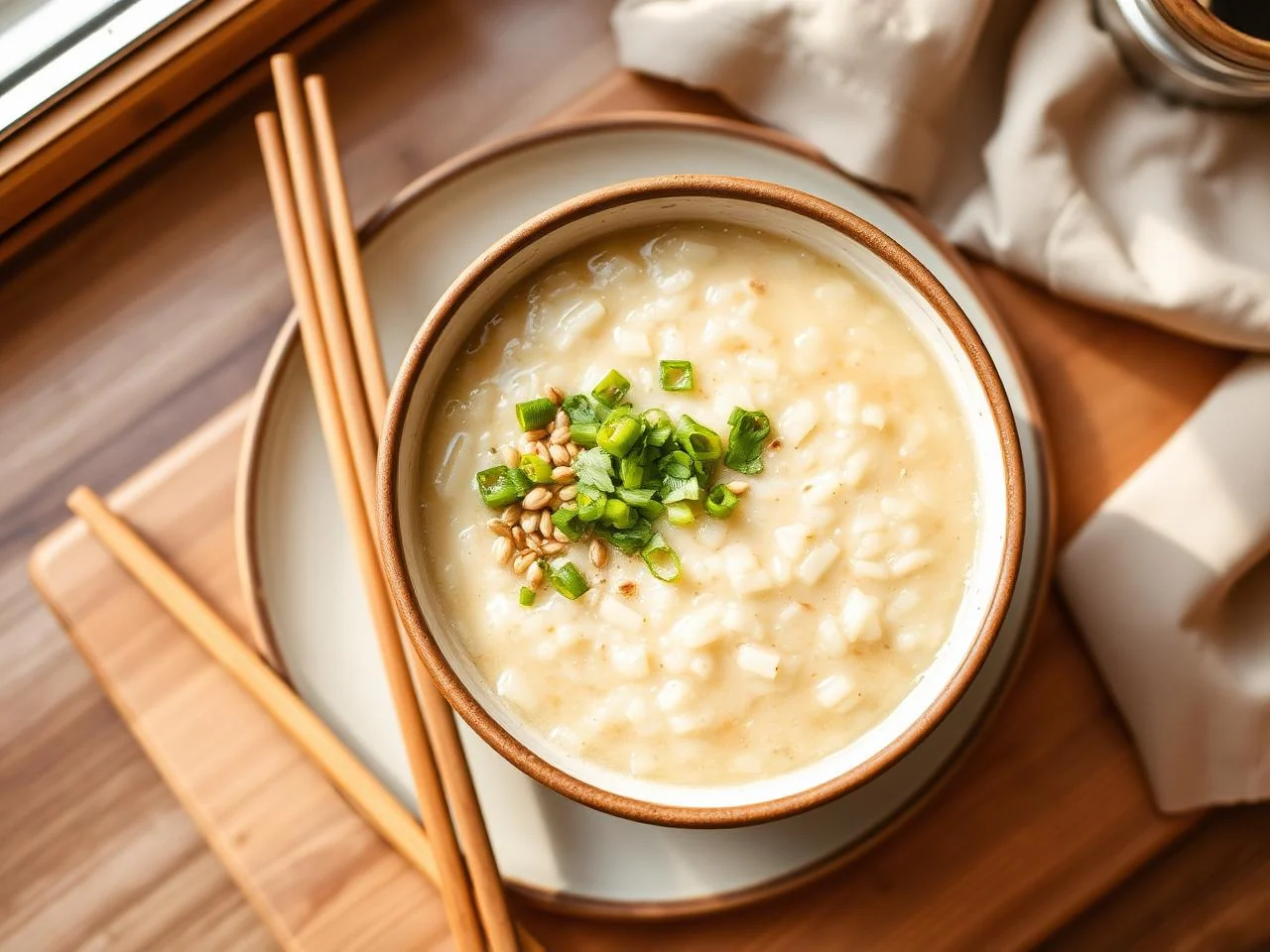
Cantonese Congee, also known as Jook, is a traditional Chinese rice porridge that is both comforting and easy to make. Growing up, my family would often have congee for breakfast, and it was always a special treat. The rich, flavorful broth and the soft, creamy rice were the perfect way to start the day.
As I grew older, I began to appreciate the versatility of congee. It can be served at any time of day, and it's a great way to use up leftover ingredients. Whether you're looking for a comforting breakfast, a soothing lunch, or a light dinner, congee is the perfect solution.
In this recipe, I'll show you how to make authentic Cantonese Congee, just like my family used to make. With a few simple ingredients and some basic cooking techniques, you'll be able to create a delicious and comforting bowl of congee that's sure to become a favorite.
So, let's get started! In this recipe, we'll cover the basics of making congee, from preparing the ingredients to cooking the rice and adding the flavorful broth. We'll also explore some variations and substitutions, so you can make the recipe your own.
Whether you're a seasoned cook or a beginner, this recipe is perfect for you. It's easy to follow, and the steps are straightforward. So, let's cook up a pot of Cantonese Congee and enjoy the comforting, soothing goodness of this traditional Chinese dish.
Why You’ll Love This Recipe
- It's a comforting and easy-to-make breakfast option
- It's a great way to use up leftover ingredients
- It's a soothing and calming food that's perfect for when you're feeling under the weather
- It's a versatile dish that can be served at any time of day
- It's a delicious and flavorful way to get your daily dose of rice and protein
- It's a traditional Chinese dish that's rich in history and culture
Why This Recipe Works
The key to making great congee is to use the right ratio of rice to liquid. If the mixture is too thick, it can be sticky and unappetizing. On the other hand, if it's too thin, it can be watery and bland. By using the right ratio, you'll end up with a creamy, comforting congee that's just right.
Another important factor is the type of rice used. Short-grain rice, such as Japanese mochigome or Chinese glutinous rice, is best for making congee. This type of rice is stickier and clingier than regular long-grain rice, which makes it perfect for creating a creamy, porridge-like texture.
Finally, the flavorful broth is what sets congee apart from other types of porridge. By using a combination of chicken or pork stock, soy sauce, and sesame oil, you'll create a rich, savory broth that's full of depth and flavor.
When you combine the right ratio of rice to liquid, the right type of rice, and the flavorful broth, you'll end up with a delicious, comforting bowl of congee that's sure to become a favorite.
Ingredients You’ll Need
To make Cantonese Congee, you'll need a few simple ingredients, including short-grain rice, chicken or pork stock, soy sauce, and sesame oil. You'll also need some aromatics, such as ginger and scallions, to add flavor to the broth.
When shopping for ingredients, be sure to look for high-quality short-grain rice and stock. You can find these ingredients at most Asian markets or well-stocked supermarkets.
- 1 cup short-grain riceShort-grain rice, such as Japanese mochigome or Chinese glutinous rice, is best for making congee. It's stickier and clingier than regular long-grain rice, which makes it perfect for creating a creamy, porridge-like texture.
- 4 cups chicken or pork stockYou can use either chicken or pork stock to make the broth, depending on your preference. If you're using store-bought stock, be sure to choose a low-sodium option to avoid over-salting the congee.
- 2 tablespoons soy sauceSoy sauce adds a rich, savory flavor to the broth. You can use either light or dark soy sauce, depending on your preference.
- 1 tablespoon sesame oilSesame oil adds a nutty, slightly sweet flavor to the broth. It's a key ingredient in many Chinese dishes, and it's especially important in congee.
- 2 inches fresh ginger, slicedFresh ginger adds a warm, spicy flavor to the broth. You can use either fresh or dried ginger, depending on your preference.
- 2 scallions, choppedScallions add a fresh, oniony flavor to the broth. You can use either green or yellow scallions, depending on your preference.
- 1 teaspoon saltSalt enhances the flavors of the other ingredients and helps to bring out the natural sweetness of the rice. Use a high-quality salt, such as kosher or sea salt, for the best flavor.
- 1/4 teaspoon white pepperWhite pepper adds a subtle, slightly sweet flavor to the broth. You can use either white or black pepper, depending on your preference.
- 2 cloves garlic, mincedGarlic adds a rich, savory flavor to the broth. You can use either fresh or dried garlic, depending on your preference.
- 2 tablespoons chopped fresh cilantro, for garnishFresh cilantro adds a fresh, herbal flavor to the congee. You can use either cilantro or scallions for garnish, depending on your preference.
Equipment You’ll Need
How to Make Cantonese Congee
- 1Rinse the rice in a fine-mesh strainer until the water runs clear, about 30 seconds.
- 2In a large heavy pot or wok, combine the rinsed rice and 4 cups of stock. Bring the mixture to a boil over high heat, then reduce the heat to low and simmer, covered, for 20-25 minutes, or until the rice is cooked and the liquid has been absorbed.
- 3While the rice is cooking, prepare the aromatics. Slice the fresh ginger into thin rounds and chop the scallions into small pieces.
- 4In a small bowl, whisk together the soy sauce, sesame oil, salt, and white pepper.
- 5After the rice has cooked for 20-25 minutes, stir in the sliced ginger, chopped scallions, and garlic. Continue to simmer, covered, for another 10-15 minutes, or until the flavors have melded together and the congee has reached the desired consistency.
- 6Stir in the soy sauce mixture and continue to simmer, covered, for another 5 minutes, or until the flavors have melded together and the congee has reached the desired consistency.
- 7Remove the pot from the heat and let it rest, covered, for 10-15 minutes. This will allow the flavors to meld together and the congee to thicken.
- 8After the congee has rested, stir it gently and check the consistency. If it's too thick, you can add a little more stock or water. If it's too thin, you can simmer it for a few more minutes to reduce the liquid.
- 9Serve the congee hot, garnished with chopped fresh cilantro and a sprinkle of white pepper.
- 10You can also customize the congee to your taste by adding other ingredients, such as cooked chicken or pork, diced vegetables, or a fried egg.
- 11Experiment with different flavor combinations to find your favorite way to enjoy Cantonese Congee.
- 12For a vegan version, you can replace the chicken or pork stock with a vegetable stock and omit the garlic and ginger.
- 13For a gluten-free version, you can replace the soy sauce with a gluten-free alternative and use gluten-free stock.
Expert Tips
- Use short-grain rice for the best results, as it's stickier and clingier than regular long-grain rice.
- Adjust the amount of stock to your liking, depending on how thick or thin you prefer your congee.
- Add aromatics, such as ginger and scallions, to the broth for added flavor.
- Use a combination of soy sauce and sesame oil to add depth and richness to the broth.
- Let the congee rest, covered, for 10-15 minutes after cooking to allow the flavors to meld together and the congee to thicken.
- Experiment with different flavor combinations to find your favorite way to enjoy Cantonese Congee.
- For a creamier congee, you can add a little bit of cornstarch or flour to the broth before cooking.
- For a clearer congee, you can strain the broth through a fine-mesh sieve before serving.
Common Mistakes to Avoid
- Using the wrong type of rice, such as long-grain rice, which can result in a congee that's too watery or sticky.
- Not rinsing the rice before cooking, which can result in a congee that's cloudy or sticky.
- Not using enough stock, which can result in a congee that's too thick or dry.
- Overcooking the congee, which can result in a congee that's too thick or mushy.
- Not letting the congee rest, covered, after cooking, which can result in a congee that's not creamy or flavorful.
- Not adjusting the seasoning to taste, which can result in a congee that's too salty or bland.
Variations and Substitutions
- Add cooked chicken or pork to the congee for added protein and flavor.
- Add diced vegetables, such as carrots or green beans, to the congee for added nutrients and flavor.
- Use different types of stock, such as beef or vegetable stock, to change the flavor of the congee.
- Add a fried egg on top of the congee for added richness and flavor.
- Use different types of oil, such as coconut oil or avocado oil, to change the flavor of the congee.
- Add a sprinkle of grated ginger or scallions on top of the congee for added flavor and texture.
- Use different types of soy sauce, such as light or dark soy sauce, to change the flavor of the congee.
What to Serve With Cantonese Congee
Cantonese Congee is a versatile dish that can be served at any time of day. You can serve it for breakfast, lunch, or dinner, and it's also a great snack or side dish. You can customize the congee to your taste by adding different ingredients, such as cooked chicken or pork, diced vegetables, or a fried egg.
Some popular ways to serve Cantonese Congee include adding a sprinkle of grated ginger or scallions on top, serving it with a side of steamed vegetables or stir-fried noodles, or using it as a base for other dishes, such as congee with fish or congee with eggs.
Make-Ahead, Storage, Freezing and Reheating
Cantonese Congee can be stored in the refrigerator for up to 3 days or frozen for up to 2 months. To store, let the congee cool to room temperature, then transfer it to an airtight container and refrigerate or freeze.
To reheat, simply microwave the congee for 1-2 minutes or heat it on the stovetop over low heat, stirring constantly, until warmed through. You can also add a little water or stock to the congee if it's too thick.
When reheating, be careful not to overheat the congee, as it can become too thick or sticky. You can also add a little oil or butter to the congee to prevent it from sticking to the pan.
Cantonese Congee is a great make-ahead dish, and it's perfect for meal prep or batch cooking. You can make a large batch of congee and store it in the refrigerator or freezer for later use.
Frequently Asked Questions
What type of rice is best for making Cantonese Congee?
Short-grain rice, such as Japanese mochigome or Chinese glutinous rice, is best for making Cantonese Congee. It's stickier and clingier than regular long-grain rice, which makes it perfect for creating a creamy, porridge-like texture.
Can I use other types of stock to make Cantonese Congee?
Yes, you can use other types of stock, such as beef or vegetable stock, to make Cantonese Congee. However, chicken or pork stock is traditional and recommended for the best flavor.
How do I adjust the seasoning to taste?
You can adjust the seasoning to taste by adding more soy sauce, sesame oil, salt, or white pepper to the congee. You can also add other ingredients, such as cooked chicken or pork, diced vegetables, or a fried egg, to customize the flavor of the congee.
Can I make Cantonese Congee ahead of time?
Yes, you can make Cantonese Congee ahead of time and store it in the refrigerator or freezer for later use. Simply reheat the congee when you're ready to serve it.
What are some common mistakes to avoid when making Cantonese Congee?
Some common mistakes to avoid when making Cantonese Congee include using the wrong type of rice, not rinsing the rice before cooking, not using enough stock, overcooking the congee, and not letting the congee rest, covered, after cooking.
Can I customize the congee to my taste?
Yes, you can customize the congee to your taste by adding different ingredients, such as cooked chicken or pork, diced vegetables, or a fried egg. You can also adjust the seasoning to taste by adding more soy sauce, sesame oil, salt, or white pepper to the congee.
What are some popular ways to serve Cantonese Congee?
Some popular ways to serve Cantonese Congee include adding a sprinkle of grated ginger or scallions on top, serving it with a side of steamed vegetables or stir-fried noodles, or using it as a base for other dishes, such as congee with fish or congee with eggs.
Can I freeze Cantonese Congee?
Yes, you can freeze Cantonese Congee for up to 2 months. Simply let the congee cool to room temperature, then transfer it to an airtight container and freeze. When you're ready to serve it, simply reheat the congee in the microwave or on the stovetop over low heat, stirring constantly, until warmed through.
Ingredients
- 1 cup short-grain rice
- 4 cups chicken or pork stock
- 2 tablespoons soy sauce
- 1 tablespoon sesame oil
- 2 inches fresh ginger, sliced
- 2 scallions, chopped
- 1 teaspoon salt
- 1/4 teaspoon white pepper
- 2 cloves garlic, minced
- 2 tablespoons chopped fresh cilantro, for garnish
Instructions
- Rinse the rice in a fine-mesh strainer until the water runs clear, about 30 seconds.
- In a large heavy pot or wok, combine the rinsed rice and 4 cups of stock. Bring the mixture to a boil over high heat, then reduce the heat to low and simmer, covered, for 20-25 minutes, or until the rice is cooked and the liquid has been absorbed.
- While the rice is cooking, prepare the aromatics. Slice the fresh ginger into thin rounds and chop the scallions into small pieces.
- In a small bowl, whisk together the soy sauce, sesame oil, salt, and white pepper.
- After the rice has cooked for 20-25 minutes, stir in the sliced ginger, chopped scallions, and garlic. Continue to simmer, covered, for another 10-15 minutes, or until the flavors have melded together and the congee has reached the desired consistency.
- Stir in the soy sauce mixture and continue to simmer, covered, for another 5 minutes, or until the flavors have melded together and the congee has reached the desired consistency.
- Remove the pot from the heat and let it rest, covered, for 10-15 minutes. This will allow the flavors to meld together and the congee to thicken.
- After the congee has rested, stir it gently and check the consistency. If it's too thick, you can add a little more stock or water. If it's too thin, you can simmer it for a few more minutes to reduce the liquid.
- Serve the congee hot, garnished with chopped fresh cilantro and a sprinkle of white pepper.
- You can also customize the congee to your taste by adding other ingredients, such as cooked chicken or pork, diced vegetables, or a fried egg.
- Experiment with different flavor combinations to find your favorite way to enjoy Cantonese Congee.
- For a vegan version, you can replace the chicken or pork stock with a vegetable stock and omit the garlic and ginger.
- For a gluten-free version, you can replace the soy sauce with a gluten-free alternative and use gluten-free stock.