
Japanese Kitsune Udon
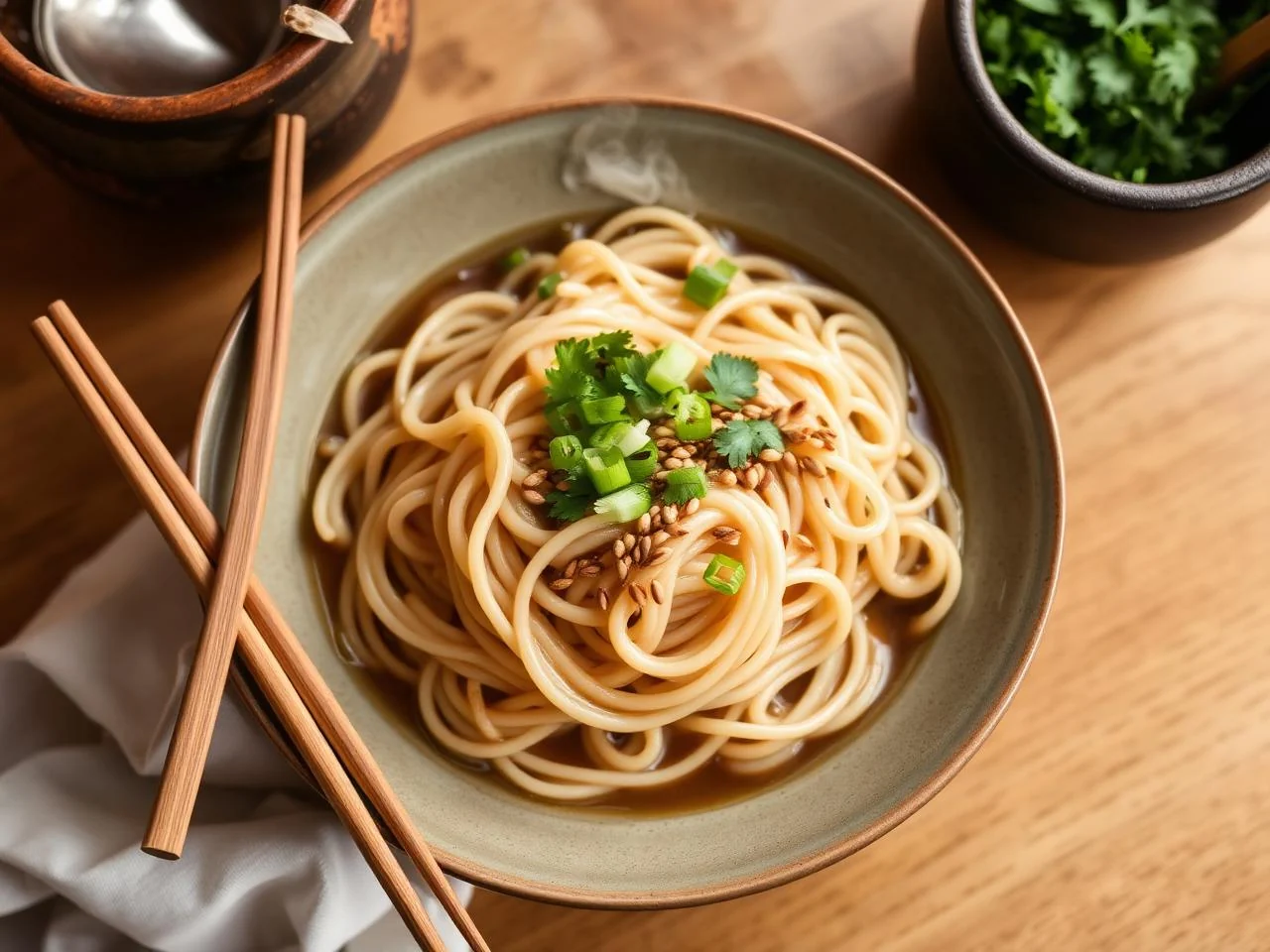
I still remember the first time I tried Japanese Kitsune Udon at a small restaurant in Tokyo. The rich, savory broth and the tender udon noodles won my heart, and I knew I had to learn how to make it at home. After months of experimentation, I finally perfected my recipe, and I'm excited to share it with you.
Kitsune Udon is a popular Japanese noodle dish that originated in the Kansai region. The name 'Kitsune' means 'fox' in Japanese, and the dish is named after the fox-shaped slices of fried tofu that are typically used as a topping. The broth is made with a combination of dashi, soy sauce, and mirin, which gives it a deep, umami flavor.
This recipe is perfect for anyone who loves Japanese food and wants to try something new. It's also a great option for a weeknight dinner, as it can be made in under an hour. So, let's get started and make some delicious Japanese Kitsune Udon!
One of the best things about this recipe is that it's highly customizable. You can add your favorite toppings, such as sliced pork, boiled eggs, or green onions, to make it your own. I also love that it's a great way to use up any leftover ingredients you have in your fridge.
In this recipe, we'll be making the dashi broth from scratch using kelp and bonito flakes. We'll also be cooking the udon noodles and preparing the toppings. Don't worry if you're new to Japanese cooking - I'll guide you through each step, and you'll be enjoying a steaming hot bowl of Kitsune Udon in no time.
Why You’ll Love This Recipe
- This recipe is easy to make and requires minimal ingredients.
- It's a great way to experience the flavors of Japan without leaving your home.
- The dish is highly customizable, so you can add your favorite toppings and make it your own.
- It's a comforting and satisfying meal that's perfect for a weeknight dinner.
- The recipe makes a large batch of broth, which can be used for future meals.
- It's a great way to use up leftover ingredients and reduce food waste.
Why This Recipe Works
The key to making a great Japanese Kitsune Udon is to use high-quality ingredients and to pay attention to the details. The dashi broth is the foundation of the dish, and it's made by simmering kelp and bonito flakes in water. This gives the broth a rich, umami flavor that's essential to the dish.
Another important aspect of this recipe is the cooking of the udon noodles. They need to be cooked until they're tender but still have a bit of bite, which is known as 'al dente.' This helps them hold onto the flavorful broth and toppings.
The toppings are also an important part of the dish, and they add texture, flavor, and visual appeal. The fried tofu slices are a classic topping, but you can also use other ingredients such as sliced pork, boiled eggs, or green onions.
Ingredients You’ll Need
To make Japanese Kitsune Udon, you'll need a few key ingredients, including kelp, bonito flakes, and udon noodles. You'll also need some basic pantry staples such as soy sauce, mirin, and sesame oil. Don't worry if you're not familiar with these ingredients - they're easy to find at most Asian grocery stores or online.
When shopping for ingredients, be sure to choose high-quality items that are fresh and have good flavor. This will make a big difference in the final dish, and it's worth taking the extra time to find the best ingredients you can.
- 4 cups waterThis is the base for the dashi broth, and it's essential to use fresh, cold water to get the best flavor.
- 1/2 cup kelpKelp is a type of seaweed that's commonly used in Japanese cooking to make dashi broth. It has a rich, umami flavor that's essential to the dish.
- 1/2 cup bonito flakesBonito flakes are made from dried and smoked bonito fish, and they add a deep, savory flavor to the broth. They're a key ingredient in traditional Japanese cooking.
- 2 tbsp soy sauceSoy sauce is a staple in Japanese cooking, and it adds a salty, umami flavor to the broth. Be sure to choose a high-quality soy sauce that's made with fermented soybeans.
- 2 tbsp mirinMirin is a sweet Japanese cooking wine that's made from glutinous rice. It adds a rich, slightly sweet flavor to the broth and helps to balance out the savory flavors.
- 2 tbsp sesame oilSesame oil is used to add flavor to the broth and to cook the toppings. It has a distinct nutty flavor that's commonly used in Japanese cooking.
- 1 package udon noodlesUdon noodles are a type of Japanese noodle that's made from wheat flour. They're thick and chewy, and they hold onto the flavorful broth and toppings perfectly.
- 1/2 cup sliced scallionsScallions are used as a topping for the dish, and they add a fresh, oniony flavor. Be sure to slice them thinly so they cook evenly.
- 1/2 cup fried tofu slicesFried tofu slices are a classic topping for Kitsune Udon, and they add a crispy texture and a savory flavor. You can make your own fried tofu slices at home or use store-bought ones.
- 1/4 cup grated daikonDaikon is a type of Japanese radish that's commonly used as a topping for noodle dishes. It adds a spicy, crunchy texture and a fresh flavor.
- Salt and pepper to tasteThese are used to season the broth and the toppings to taste. Be sure to use high-quality salt and pepper for the best flavor.
- 2 tbsp chopped green onionsGreen onions are used as a garnish for the dish, and they add a fresh, oniony flavor. Be sure to chop them thinly so they look appealing.
Equipment You’ll Need
How to Make Japanese Kitsune Udon
- 1Rinse the kelp in cold water and cut it into large pieces. This will help to release the umami flavor and create a rich broth.
- 2In a large pot, combine the water and kelp pieces. Bring the mixture to a boil over high heat, then reduce the heat to medium-low and simmer for 10 minutes. This will help to extract the flavors from the kelp.
- 3Add the bonito flakes to the pot and simmer for another 5 minutes. This will add a deep, savory flavor to the broth.
- 4Strain the broth through a fine-mesh strainer into a clean pot, discarding the solids. This will help to remove any impurities and create a clear broth.
- 5Add the soy sauce, mirin, and sesame oil to the broth and simmer for 2 minutes. This will help to balance out the flavors and add a rich, savory flavor to the broth.
- 6Cook the udon noodles according to the package instructions. They should be tender but still have a bit of bite. This is known as 'al dente' and is essential for the dish.
- 7Slice the scallions and fried tofu slices into thin pieces. This will help them cook evenly and add a nice texture to the dish.
- 8Add the sliced scallions and fried tofu slices to the broth and simmer for 2 minutes. This will help to cook them through and add flavor to the broth.
- 9Grate the daikon and chop the green onions. These will be used as toppings for the dish.
- 10To assemble the dish, place some cooked udon noodles into a bowl and ladle the hot broth over the top. Add some sliced scallions, fried tofu slices, grated daikon, and chopped green onions on top.
- 11Season the dish with salt and pepper to taste. This will help to balance out the flavors and add a nice depth to the dish.
- 12Serve the Japanese Kitsune Udon immediately, garnished with additional green onions and grated daikon if desired. This will help to add a fresh flavor and a nice texture to the dish.
- 13For an added protein boost, you can also add some sliced pork or boiled eggs to the dish. This will help to make it more filling and satisfying.
Expert Tips
- Use high-quality ingredients to get the best flavor.
- Don't overcook the udon noodles, as they can become mushy and unappetizing.
- Experiment with different toppings to find your favorite combination.
- Use a variety of textures and flavors to add depth to the dish.
- Don't be afraid to add your own twist to the recipe and make it your own.
- Use a thermometer to ensure the broth is at a safe temperature.
- Let the broth simmer for at least 10 minutes to develop a rich flavor.
- Taste and adjust the seasoning as you go to ensure the best flavor.
Common Mistakes to Avoid
- Not using high-quality ingredients, which can result in a bland or unappetizing dish.
- Overcooking the udon noodles, which can make them mushy and unappetizing.
- Not simmering the broth for long enough, which can result in a weak or unflavorful broth.
- Not using a variety of textures and flavors, which can make the dish boring or uninteresting.
- Not tasting and adjusting the seasoning as you go, which can result in a dish that's too salty or too bland.
- Not using a thermometer to ensure the broth is at a safe temperature.
Variations and Substitutions
- Adding sliced pork or boiled eggs to the dish for added protein.
- Using different types of noodles, such as soba or ramen noodles.
- Adding other toppings, such as sliced green onions or grated carrot.
- Using different seasonings, such as soy sauce or sesame oil, to add flavor to the broth.
- Adding other ingredients, such as mushrooms or bell peppers, to the broth for added flavor and nutrition.
- Using a different type of broth, such as a chicken or beef broth, for a different flavor profile.
- Adding a spicy kick to the dish with red pepper flakes or sriracha.
What to Serve With Japanese Kitsune Udon
Japanese Kitsune Udon is a hearty and comforting dish that's perfect for a weeknight dinner. It's also a great option for a special occasion or a dinner party. You can serve it with a variety of sides, such as steamed vegetables or a green salad, to add some extra nutrition and flavor to the meal.
Some other options for serving Japanese Kitsune Udon include adding some sliced pork or boiled eggs to the dish for added protein, or using different types of noodles or broth for a different flavor profile. You can also experiment with different toppings and seasonings to find your favorite combination.
Make-Ahead, Storage, Freezing and Reheating
Japanese Kitsune Udon can be stored in the fridge for up to 3 days or frozen for up to 2 months. To store it in the fridge, simply place the cooked noodles and broth in an airtight container and refrigerate. To freeze it, place the cooked noodles and broth in a freezer-safe container or bag and freeze.
To reheat the dish, simply place the cooked noodles and broth in a pot and simmer over low heat until the noodles are tender and the broth is hot. You can also add some extra seasonings or toppings to the dish to give it a fresh flavor.
It's also a good idea to cook the noodles and broth separately and store them in separate containers. This will help to prevent the noodles from becoming mushy or the broth from becoming cloudy. Simply cook the noodles and broth as needed and combine them in a bowl for a quick and easy meal.
Frequently Asked Questions
What is dashi broth?
Dashi broth is a traditional Japanese broth made from kelp and bonito flakes. It's a key ingredient in many Japanese dishes, including Japanese Kitsune Udon.
Can I use different types of noodles?
Yes, you can use different types of noodles, such as soba or ramen noodles, in place of udon noodles. Just be sure to adjust the cooking time and seasoning accordingly.
How do I store Japanese Kitsune Udon?
Japanese Kitsune Udon can be stored in the fridge for up to 3 days or frozen for up to 2 months. Simply place the cooked noodles and broth in an airtight container and refrigerate or freeze.
Can I add other toppings to the dish?
Yes, you can add other toppings to the dish, such as sliced green onions or grated carrot. Just be sure to choose toppings that complement the flavors and textures of the dish.
How do I reheat the dish?
To reheat the dish, simply place the cooked noodles and broth in a pot and simmer over low heat until the noodles are tender and the broth is hot. You can also add some extra seasonings or toppings to the dish to give it a fresh flavor.
Can I make the dish ahead of time?
Yes, you can make the dish ahead of time and store it in the fridge or freezer. Simply cook the noodles and broth as needed and combine them in a bowl for a quick and easy meal.
What are some variations of the dish?
Some variations of the dish include adding sliced pork or boiled eggs to the dish for added protein, using different types of noodles or broth for a different flavor profile, or adding other toppings or seasonings to the dish.
How do I make the dish more substantial?
You can make the dish more substantial by adding some sliced pork or boiled eggs to the dish for added protein, or by serving it with some steamed vegetables or a green salad on the side.
Ingredients
- 4 cups water
- 1/2 cup kelp
- 1/2 cup bonito flakes
- 2 tbsp soy sauce
- 2 tbsp mirin
- 2 tbsp sesame oil
- 1 package udon noodles
- 1/2 cup sliced scallions
- 1/2 cup fried tofu slices
- 1/4 cup grated daikon
- Salt and pepper to taste
- 2 tbsp chopped green onions
Instructions
- Rinse the kelp in cold water and cut it into large pieces. This will help to release the umami flavor and create a rich broth.
- In a large pot, combine the water and kelp pieces. Bring the mixture to a boil over high heat, then reduce the heat to medium-low and simmer for 10 minutes. This will help to extract the flavors from the kelp.
- Add the bonito flakes to the pot and simmer for another 5 minutes. This will add a deep, savory flavor to the broth.
- Strain the broth through a fine-mesh strainer into a clean pot, discarding the solids. This will help to remove any impurities and create a clear broth.
- Add the soy sauce, mirin, and sesame oil to the broth and simmer for 2 minutes. This will help to balance out the flavors and add a rich, savory flavor to the broth.
- Cook the udon noodles according to the package instructions. They should be tender but still have a bit of bite. This is known as 'al dente' and is essential for the dish.
- Slice the scallions and fried tofu slices into thin pieces. This will help them cook evenly and add a nice texture to the dish.
- Add the sliced scallions and fried tofu slices to the broth and simmer for 2 minutes. This will help to cook them through and add flavor to the broth.
- Grate the daikon and chop the green onions. These will be used as toppings for the dish.
- To assemble the dish, place some cooked udon noodles into a bowl and ladle the hot broth over the top. Add some sliced scallions, fried tofu slices, grated daikon, and chopped green onions on top.
- Season the dish with salt and pepper to taste. This will help to balance out the flavors and add a nice depth to the dish.
- Serve the Japanese Kitsune Udon immediately, garnished with additional green onions and grated daikon if desired. This will help to add a fresh flavor and a nice texture to the dish.
- For an added protein boost, you can also add some sliced pork or boiled eggs to the dish. This will help to make it more filling and satisfying.