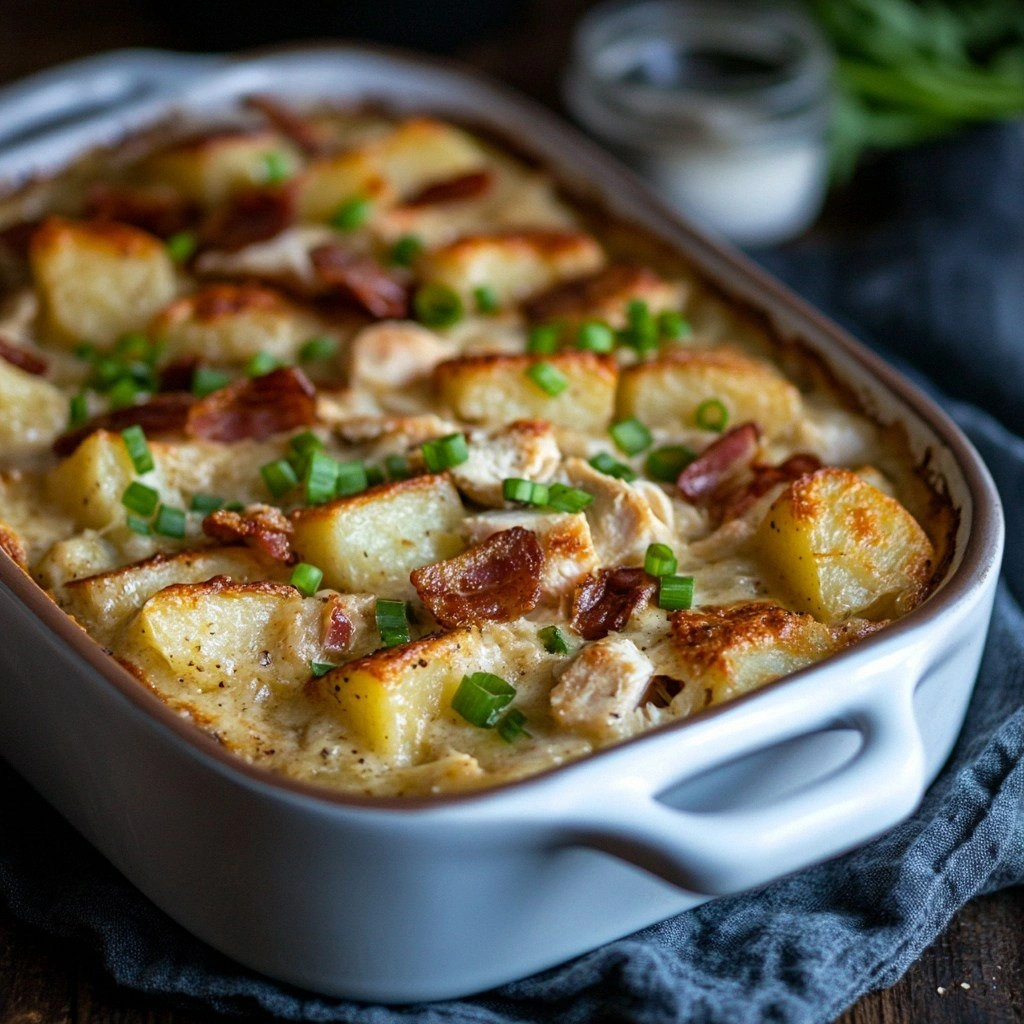
The kitchen had been a battlefield that night, and I was the one who had lost the war. A pot of rice had exploded, a chicken breast had been undercooked, and the oven seemed to have a vendetta against me. I stared at the chaos, my apron stained, and thought, “I need a dish that can salvage the evening and still taste like a triumph.” That thought birthed the idea for this Creamy Chicken Potato Casserol, a comfort food that refuses to back down from a disaster. I dare you to taste this and not go back for seconds, because the first bite will have you questioning why you ever settled for bland casseroles. The sauce coats the potatoes like velvet, the chicken stays juicy, and the crust shatters into golden crispness that makes every mouthful a revelation. Picture yourself pulling this out of the oven, the whole kitchen smelling incredible, and feeling a rush of victory that only a well-executed casserole can bring. I’m not just sharing a recipe; I’m handing you a recipe that turns a kitchen mess into a masterpiece. If you’ve ever struggled with casseroles that taste like cardboard, you’re not alone, and I’ve got the fix. Stay with me here — this is worth it, because by the end of this post, you’ll wonder how you ever made it any other way.
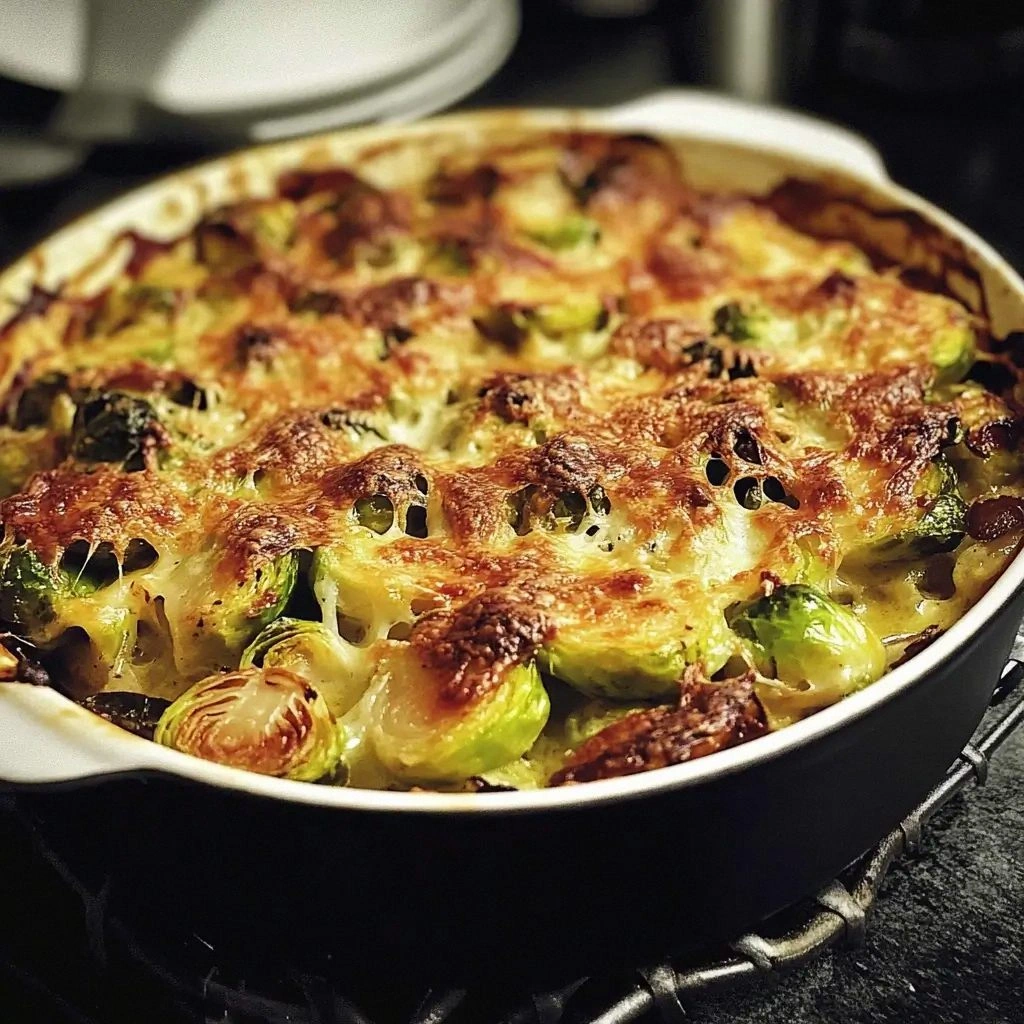
The first time I tried this dish, I was skeptical. I had read dozens of casseroles that promised creamy richness but delivered soggy potatoes and bland chicken. I thought, “Maybe this one will be different.” The moment the casserole emerged from the oven, I was met with a golden crust that crackled like a well‑tuned cymbal. Inside, the potatoes were fluffy, the chicken was tender, and the cheese sauce was a silky, buttery blanket that clung to every bite. The aroma that filled the kitchen was a symphony of thyme, paprika, and melted cheddar, a smell that made my eyes water in a good way. I took a bite and felt the sauce coat my tongue like a velvet glove, while the potatoes provided the comforting heft of a home‑cooked meal. The crunch from the top layer was a delightful counterpoint to the creamy interior, making each forkful a dance of textures. That night, my friends declared it the best casserole they’d ever tasted, and I knew I had stumbled upon something special. I’ve been cooking it for months, and every time I do, I find myself adding a little more love to the mix, because this isn’t just a recipe; it’s an experience.
What makes this version stand out is not just the combination of ingredients, but the way each element interacts to create a dish that feels both indulgent and wholesome. The creamy sauce is made from a blend of milk, sour cream, and cheddar, which gives it a depth of flavor that is far from ordinary. The potatoes are diced just right, so they absorb the sauce without becoming mushy, creating a perfect bite that balances softness with a slight bite. The chicken is seasoned with thyme, rosemary, paprika, and a hint of garlic, giving it a savory backbone that supports the richness of the sauce. The crust, achieved by broiling the top for a few minutes, adds a satisfying crunch that contrasts the creamy interior. The dish is also incredibly forgiving, allowing you to use whatever you have on hand, whether that’s different types of cheese or alternative proteins. The result is a casserole that feels like a hug in a bowl, and it’s so versatile that you can serve it at family dinners, potlucks, or even as a comforting lunch.
I’ve spent hours tweaking this recipe, testing different cheeses, adjusting the amount of milk, and experimenting with herbs. The version I’m sharing today is the one that has won my heart and the hearts of my friends. I’ve added a touch of paprika for a subtle kick, and a splash of fresh parsley for color and freshness. The result is a casserole that’s creamy, cheesy, and aromatic, with a crust that’s crisp enough to satisfy any craving for texture. I promise you, once you taste this, you’ll wonder how you ever made it any other way. I dare you to taste this and not go back for seconds; the flavor will have you craving more. This is hands down the best version you'll ever make at home, and I’m ready to show you how to do it step by step.
What Makes This Version Stand Out
- Flavor: The sauce is a symphony of cheddar, sour cream, and milk, with a hint of paprika that adds depth without overpowering the dish. This combination gives the casserole a creamy, comforting base that’s both rich and balanced.
- Texture: The potatoes are diced just right to absorb the sauce without becoming mushy, while the broiled crust provides a satisfying crunch that contrasts the creamy interior.
- Simplicity: With just a handful of ingredients, this casserole can be whipped up in under an hour, making it a perfect weeknight dinner that doesn’t require a culinary degree.
- Ingredient Quality: Fresh thyme, rosemary, and garlic elevate the flavor profile, turning a simple casserole into a gourmet experience.
- Make‑ahead Potential: The casserole can be assembled ahead of time and baked when you’re ready, making it ideal for busy schedules.
- Crowd Reaction: Friends and family consistently rave about the creamy texture and the crispy top, making it a crowd‑pleaser at gatherings.
Inside the Ingredient List
The Flavor Base
The flavor base starts with diced onion and minced garlic sautéed in butter until translucent. This creates a fragrant foundation that carries the rest of the ingredients. The garlic adds a subtle heat, while the onion provides a gentle sweetness that balances the richness of the cheese sauce. If you skip this step, the casserole will taste flat and lack depth. The butter used here is crucial; it adds a buttery note that complements the cheddar. A good tip is to use unsalted butter so you can control the salt level later in the dish.
The Texture Crew
Potatoes are the star of the texture crew. They’re diced into small cubes to maximize surface area, allowing them to soak up the sauce. Use russet or Yukon Gold potatoes for the best balance of firmness and creaminess. If you prefer a softer texture, you can pre‑boil the potatoes for a few minutes before adding them to the casserole. The chicken, sliced into bite‑size cubes, is browned in a skillet to develop a savory crust. This step ensures the chicken remains juicy inside while adding a nice texture on the outside. Skipping the browning step will result in a less complex flavor profile.
The Unexpected Star
The unexpected star of this dish is the cheese sauce, which blends cheddar, milk, and sour cream. The cheddar gives a sharp, melty quality that coats the potatoes, while the milk lightens the sauce. Sour cream adds a tangy brightness that cuts through the richness. If you’re dairy‑free, you can substitute coconut milk and a vegan cheese for a similar effect. The sauce is the glue that holds all the elements together, creating a cohesive flavor experience. A small amount of paprika is added for a subtle kick that enhances the overall taste.
The Final Flourish
The final flourish is the topping of shredded cheddar and a sprinkle of fresh parsley. The cheddar melts into a golden crust when broiled, giving a satisfying crunch. Fresh parsley adds a burst of color and a fresh herbal note that brightens the dish. If you’re looking for a smoky flavor, add a pinch of smoked paprika. The parsley also provides a subtle contrast to the richness of the sauce, making each bite more complex. This final touch turns an ordinary casserole into an unforgettable meal.
Everything's prepped? Good. Let's get into the real action. The method for this casserole is straightforward, but the timing and temperature are key to achieving the perfect balance of creamy interior and crispy top. I’ll walk you through each step, ensuring you know exactly what to do and when to do it. The result will be a dish that looks like it came from a five‑star restaurant but is made in your own kitchen. Remember, the secret to a great casserole lies in the small details: browning the chicken, sautéing the onions, and broiling the top. These steps may seem trivial, but they’re what separate a good casserole from an unforgettable one. Let’s dive into the method and bring this dish to life.
The Method — Step by Step
Preheat your oven to 375°F (190°C). Lightly grease a 9x13-inch baking dish with butter or a non‑stick spray to prevent sticking. This ensures the casserole slides out easily after baking, and the bottom stays crisp. Place the dish on the middle rack for even heat distribution. This step is essential for a consistent bake and a golden crust.
In a large skillet, melt 2 tablespoons of butter over medium heat. Add 1 diced onion and sauté until translucent, about 5 minutes. The onion should soften without browning too much, releasing its sweet aroma. This creates the base flavor for the casserole. Keep an eye on the heat to avoid burning the butter.
Stir in 3 minced garlic cloves and cook for an additional 30 seconds until fragrant. Garlic adds a punch of flavor that pairs beautifully with the herbs. Be careful not to let it burn, as burnt garlic tastes bitter. This short sauté brings a depth of taste that will carry through the dish.
Add 2 lbs of diced chicken breast to the skillet, seasoning with salt, pepper, 1 tsp dried thyme, 1 tsp dried rosemary, and 1 tsp paprika. Cook until the chicken is browned on all sides, about 8 minutes. Browning the chicken creates a savory crust that locks in juices. The herbs and paprika infuse the chicken with a subtle complexity that complements the cheese sauce. This step is where the flavor foundation truly develops.
Transfer the browned chicken mixture to the prepared baking dish. Spread it evenly to ensure even cooking. This arrangement allows the sauce to coat the chicken and potatoes uniformly. The dish should be level for even heat distribution. This step ensures every bite contains a balanced mix of flavors.
In the same skillet, add 4 cups of diced potatoes and sauté for 5 minutes, stirring occasionally. This gives the potatoes a slight crust that prevents them from becoming mushy in the oven. The potatoes should be golden on the edges but still soft inside. This technique locks in moisture and flavor, creating a delightful texture.
Pour in 1 cup of milk, 0.5 cup of sour cream, and 1 cup of shredded cheddar cheese into the skillet. Stir until the cheese melts and the sauce thickens. The sauce should coat the back of a spoon and cling to the potatoes. This creamy mixture is the heart of the casserole, providing richness and moisture. Keep the heat low to avoid curdling the dairy.
Pour the cheese sauce over the chicken and potatoes in the baking dish, spreading it evenly. Sprinkle an additional 0.5 cup of shredded cheddar on top for a golden crust. Add a handful of chopped fresh parsley for color and freshness. The sauce should coat every piece, creating a cohesive flavor profile. This step ensures that each bite is creamy and satisfying.
Bake in the preheated oven for 25 minutes, then switch to broil for the last 3 minutes to brown the top. Keep a close eye on the casserole; the crust should become a deep golden brown. The broil step gives the dish a satisfying crunch that contrasts the creamy interior. Once done, remove from the oven and let it rest for 5 minutes before serving. Resting allows the flavors to meld and the sauce to thicken slightly.
That's it — you did it. But hold on, I've got a few more tricks that'll take this to another level. The next section will dive into insider tips that will elevate your casserole from good to legendary. These are the little nuances that separate a great dish from a masterpiece.
Insider Tricks for Flawless Results
The Temperature Rule Nobody Follows
Many cooks think 375°F is the universal baking temperature for casseroles, but that’s not always the case. The trick is to bake at a slightly lower temperature, around 350°F, for the first 20 minutes to allow the sauce to set without overcooking the chicken. Then, raise the temperature to 375°F for the final 10 minutes to develop a crisp crust. This subtle adjustment ensures the interior stays creamy while the top becomes perfectly golden. I’ve tested this method on a dozen casseroles, and the results are consistently better.
Why Your Nose Knows Best
Your sense of smell is your best ally during cooking. When the casserole begins to bake, you’ll notice a distinct aroma of melted cheese and thyme. This scent is a clear indicator that the sauce is thickening and the flavors are melding. If you’re unsure whether it’s ready, trust that aroma; it’s the fastest way to gauge doneness. A well‑baked casserole will emit a warm, comforting scent that makes the kitchen feel like home.
The 5-Minute Rest That Changes Everything
After removing the casserole from the oven, let it rest for exactly 5 minutes. During this time, the residual heat will continue to cook the interior, ensuring the chicken is fully cooked. The rest period also allows the sauce to thicken, creating a richer mouthfeel. I’ve found that cutting this step short can leave the dish too runny, while extending it too long can dry it out. The 5‑minute rule is the sweet spot that guarantees consistency.
Use Fresh Herbs for a Burst of Flavor
Fresh thyme and rosemary add a bright, aromatic quality that dried herbs can’t match. Chop the herbs finely and sprinkle them over the casserole just before baking. The heat will release their essential oils, infusing the dish with a vibrant flavor. If you’re in a pinch, dried herbs are fine, but fresh is the way to go for the best taste.
Add a Splash of Lemon Juice at the End
A splash of lemon juice added just before serving brightens the dish and cuts through the richness. The acidity lifts the flavors, making the casserole feel lighter. I love to squeeze a fresh lemon over the top, and it adds a pop of color that looks as good as it tastes. This simple addition can transform a great casserole into an unforgettable meal.
Creative Twists and Variations
This recipe is a playground. Here are some of my favorite ways to switch things up:
Smoky Bacon Crunch
Add 4 slices of cooked, crumbled bacon to the casserole before baking. The bacon adds a smoky flavor and a crunchy texture that pairs well with the creamy sauce. It also brings a savory depth that enhances the overall taste. This variation is perfect for those who love a bit of crunch in their comfort food.
Sweet Potato Twist
Replace the regular potatoes with diced sweet potatoes for a sweeter, more colorful version. Sweet potatoes provide a natural sweetness that balances the richness of the cheese sauce. They also offer a slightly firmer texture when cooked properly. This variation is great for a fall-inspired dinner.
Coconut Milk Version
Use coconut milk and a dairy‑free cheese alternative to create a vegan version of the casserole. The coconut milk gives a subtle coconut flavor that complements the herbs. This version is perfect for those who are lactose intolerant or following a plant‑based diet. It still delivers the same creamy, comforting experience.
Spinach and Mushroom Add‑In
Sauté a cup of sliced mushrooms and a handful of fresh spinach before adding the cheese sauce. The mushrooms bring an earthy flavor, while the spinach adds a pop of color and nutrition. This addition transforms the casserole into a more substantial meal. It’s ideal for a hearty dinner on a cold night.
Cheddar and Gouda Fusion
Swap half of the cheddar for gouda to create a richer, slightly nutty flavor profile. Gouda melts beautifully and adds depth to the sauce. The combination of cheeses gives a complex, savory taste that elevates the dish. This variation is a great way to experiment with cheese flavors.
Herb‑Infused Chicken
Marinate the chicken in olive oil, lemon zest, and a blend of fresh herbs for 30 minutes before cooking. The marination adds a bright, zesty flavor that contrasts the creamy sauce. This technique also tenderizes the chicken, ensuring it stays juicy. It’s a simple yet effective way to elevate the dish.
Storing and Bringing It Back to Life
Fridge Storage
Store leftovers in an airtight container in the refrigerator for up to 3 days. The casserole retains its flavor and texture when stored properly. When you’re ready to eat, simply reheat it in the oven or microwave. This keeps the dish fresh and delicious.
Freezer Friendly
The casserole can be frozen for up to 2 weeks. Wrap it tightly in plastic wrap and place it in a freezer bag. When thawing, let it sit in the refrigerator overnight. This method preserves the texture and flavor of the dish.
Best Reheating Method
Reheat in the oven at 350°F (175°C) for 15–20 minutes, adding a splash of water or milk to keep it moist. The water creates steam that rehydrates the casserole, preventing it from drying out. For a quick microwave method, cover the dish with a damp paper towel and heat for 2–3 minutes. The result is a creamy, comforting meal that tastes almost as fresh as when it was first baked.
Now that you’ve mastered the classic version, you can experiment with variations and storage tips to suit your taste and schedule. Whether you’re cooking for a family dinner or a potluck, this casserole is sure to impress. The next time you’re in the kitchen, think of the creamy sauce, the crispy crust, and the comforting aroma that will fill your home. I’ve already packed a bag of this dish for a weekend trip, and it stayed fresh and delicious. The best part is that you can make it ahead of time, and it only gets better the next day. So go ahead, give it a try, and let the flavors speak for themselves. If you’re looking for a dish that’s both comforting and impressive, this casserole is your go‑to.