I was in the middle of a rainy Thursday night, the kind of evening where the wind hammers against the windows and the only thing you want is something warm enough to hug your insides. I tried whipping up a quick spaghetti aglio e olio, but the garlic burned, the oil spluttered like a fireworks show gone wrong, and I ended up with a pan that smelled more like regret than comfort. That disaster sparked a dare from my roommate: “Make a garlic pasta that actually tastes like a hug, not a slap.” I accepted, and after a few frantic Google searches, a handful of trial-and-error attempts, and a confession that I ate half the batch before anyone else could try it, I finally nailed the version that makes me want to shout from the kitchen.
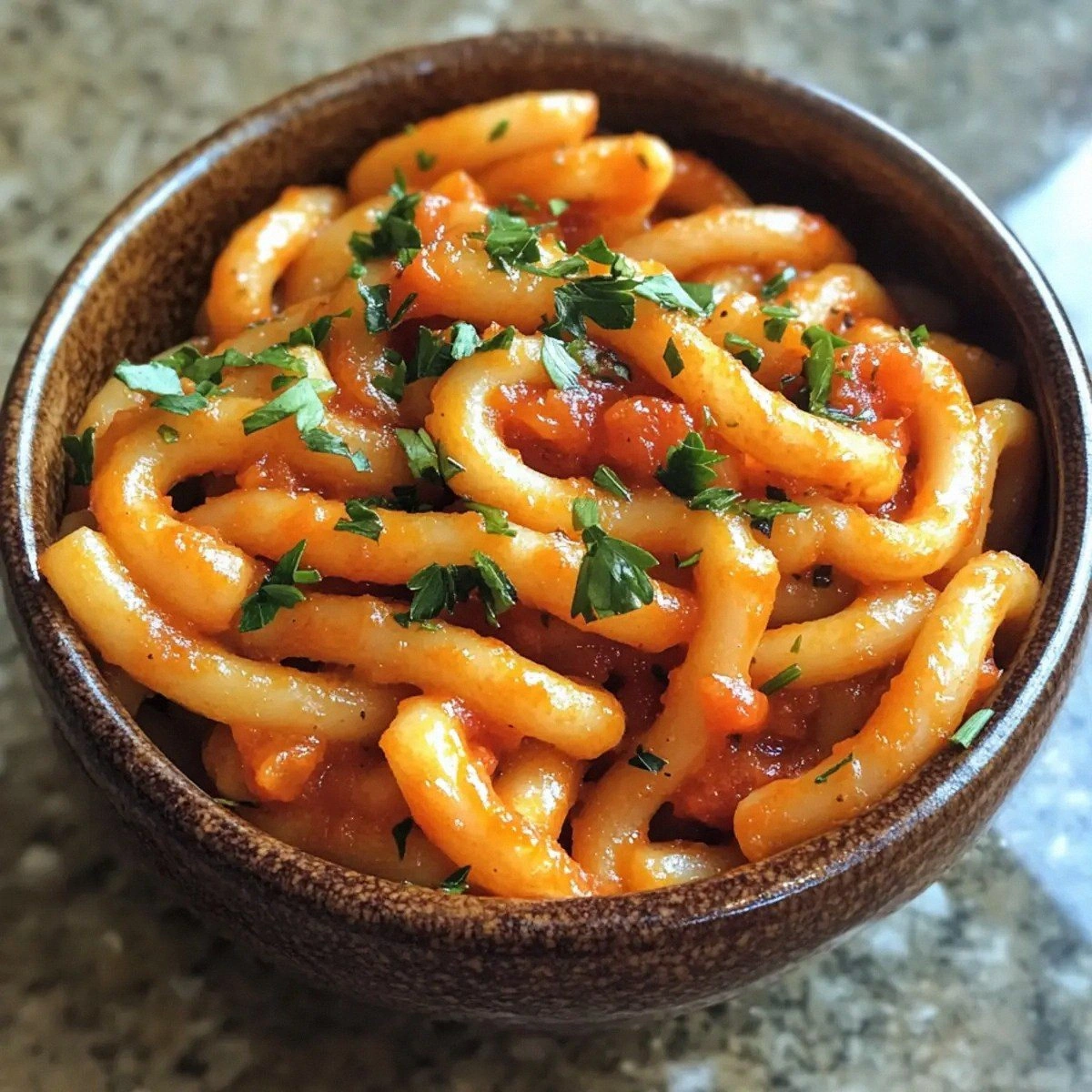
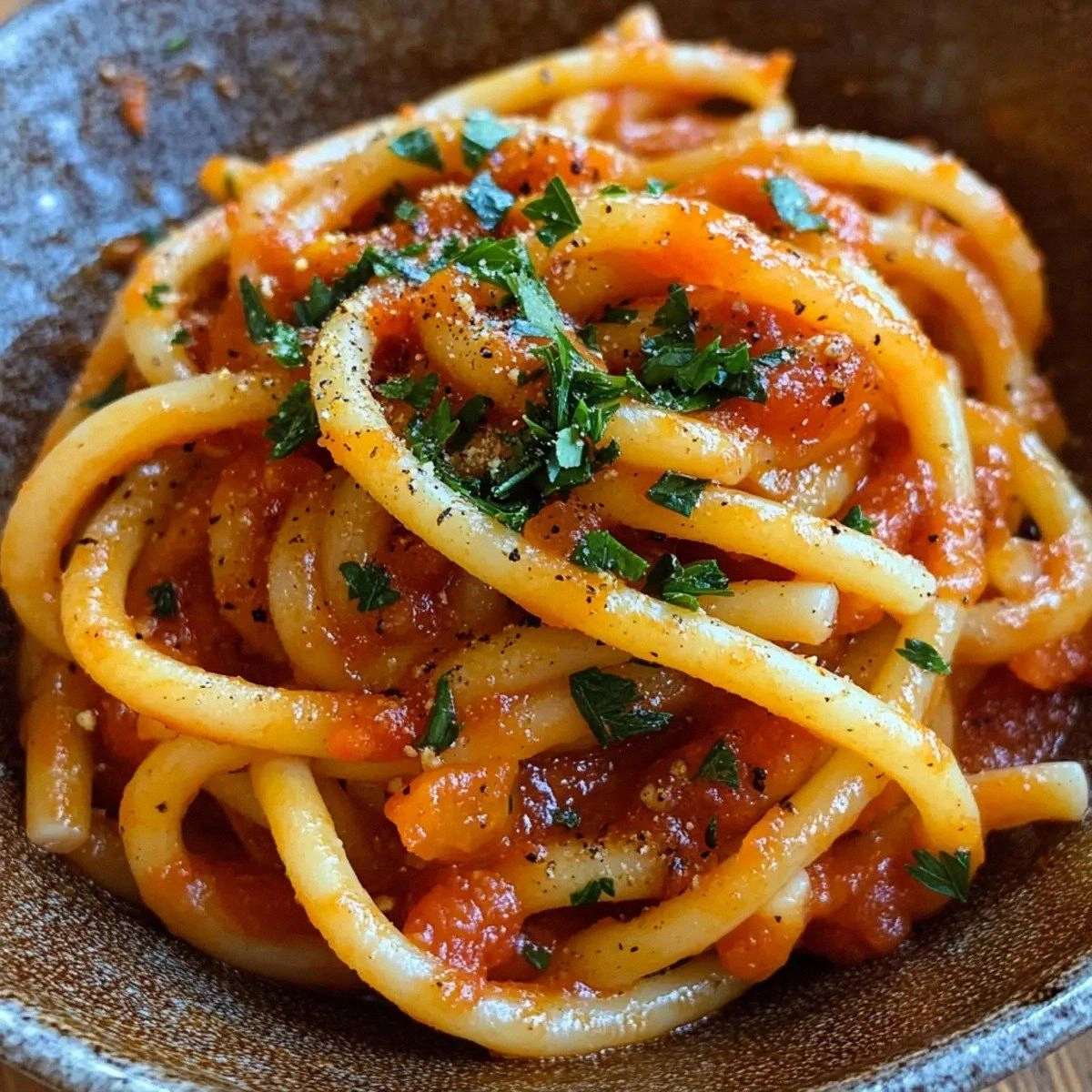
Picture this: a thick, hand‑rolled strand of pici, each noodle a little rope of dough that clings to sauce like a lover refusing to let go. The sauce itself is a glossy, ruby‑red ocean of crushed whole tomatoes, infused with a tsunami of sweet, buttery garlic that coats every bite like velvet. When the butter finally melts into the hot oil, you hear that sizzle that makes your heart skip a beat, and the aroma—oh, that aroma—fills the entire apartment, making the hallway feel like a Mediterranean trattoria. I dare you to taste this and not go back for seconds; it’s that good.
Most recipes get the garlic ratio completely wrong, either drowning the dish in raw pungency or leaving it whisper‑quiet. This version, however, balances the garlic with a touch of butter and a splash of extra‑virgin olive oil, creating a sauce that’s both robust and silky. I’ll be honest—if you’ve ever struggled with a watery, limp tomato sauce, you’re not alone, and I’ve got the fix that turns that disappointment into a triumph. The secret? A quick sauté that caramelizes the garlic just enough to bring out its natural sweetness without any bitterness.
But the real game‑changer is the addition of whole peeled tomatoes that are crushed by hand, preserving those tiny bits of skin that add texture and a burst of sun‑kissed flavor. And let’s not forget the finishing butter, which gives the sauce a glossy sheen that makes it look restaurant‑ready. Okay, ready for the game‑changer? Let me walk you through every single step — by the end, you’ll wonder how you ever made it any other way.
What Makes This Version Stand Out
- Garlic Glory: Six cloves of garlic, slowly sautéed until they turn a golden amber, give the sauce a sweet, caramelized backbone that’s far from the raw bite you get in most recipes.
- Butter Boost: Two tablespoons of unsalted butter melt into the oil at the end, creating a silky finish that coats each pici strand like a luxurious satin sheet.
- Tomato Integrity: Whole peeled tomatoes are hand‑crushed, preserving the tiny skin pieces that add a subtle chew and a burst of sun‑dried depth.
- Heat Harmony: A pinch of red pepper flakes adds a whisper of heat that dances on the palate without stealing the spotlight from the garlic.
- Pici Power: Fresh pici pasta, with its thick, chewy texture, soaks up the sauce better than any thin spaghetti, delivering a mouthfeel that’s both hearty and comforting.
- Simplicity Meets Elegance: Only seven ingredients, all pantry‑friendly, yet the result feels like a dish you’d order at a five‑star restaurant in Florence.
- Crowd‑Pleaser Factor: The bold garlic flavor and buttery finish have guests raving, often asking for the recipe before the first bite is even finished.
- Make‑Ahead Magic: The sauce can be prepared a day ahead; just reheat gently and toss with freshly cooked pici for a next‑day dinner that tastes like it was made minutes ago.
Inside the Ingredient List
The Flavor Base
The star of this dish is the extra‑virgin olive oil, a quarter cup that provides a fruity, peppery foundation. Olive oil’s high monounsaturated fat content means it can handle the gentle heat needed to coax out the garlic’s sweetness without smoking. If you skip it or replace it with a neutral oil, you’ll lose that subtle depth that makes the sauce sing. For the best result, choose a cold‑pressed, first‑press oil—look for a bright green hue and a fresh, grassy aroma at the market.
Garlic cloves—six of them—are the heart and soul. When sliced thin and cooked slowly, they turn translucent and sweet, shedding their sharp edge. If you try to rush this step, you’ll end up with burnt garlic that flavors the entire sauce with bitterness. A good tip: crush the cloves with the flat side of a knife first; it releases more allicin, which mellows into that comforting sweet note as it cooks.
The Texture Crew
Unsalted butter brings a glossy finish and a buttery richness that makes the sauce cling to each noodle. Using unsalted butter gives you control over the salt level, ensuring the final dish isn’t overly salty. If you accidentally use salted butter, cut back on the added salt to keep the balance. For a richer flavor, you can finish the sauce with a tablespoon of cold butter right before serving, letting it melt into a velvety sheen.
Red pepper flakes are added “to taste,” which means you decide how much heat you want. A modest pinch adds a subtle warmth that lifts the garlic without overwhelming it. If you’re sensitive to spice, start with just a couple of flakes and taste as you go. Conversely, if you love fire, don’t be shy—add a generous pinch and watch the sauce come alive.
The Unexpected Star
Whole peeled tomatoes (28 ounces) are the backbone of the sauce. Their natural acidity balances the richness of the olive oil and butter, while the flesh provides a luscious body. Hand‑crushing them preserves the tiny skins that add a pleasant bite, unlike a pureed sauce that can feel too smooth. If fresh tomatoes are in season, you can substitute them, but be sure to peel and seed them first for that perfect texture.
The Final Flourish
Fresh pici pasta (12 ounces) is the hero of the plate. Its thick, hollow center acts like a sponge, soaking up the garlicky sauce with each twirl. If you can’t find pici, you can roll out your own by hand—just shape the dough into thick, irregular strands and cut them to about the width of a thumb. The key is to keep them slightly uneven; the irregularities create more surface area for the sauce to cling to.
Everything's prepped? Good. Let’s get into the real action…
The Method — Step by Step
Heat a large, heavy‑bottomed skillet over medium heat and drizzle in the 1/4 cup extra‑virgin olive oil. As the oil shimmers, add the six peeled garlic cloves, sliced thin. Let them sizzle gently; you’ll hear a soft pop and see the edges start to turn golden. This is the moment of truth—if the garlic browns too quickly, lower the heat; you want a sweet, caramelized aroma, not a burnt one.
Once the garlic is a beautiful amber, sprinkle in the red pepper flakes to your taste. Stir quickly so the flakes release their heat into the oil, creating a fragrant cloud that makes your kitchen feel like a Tuscan piazza.
Kitchen Hack: If you’re afraid of over‑spicing, toast the flakes in a dry pan first; it mellows the heat and deepens the flavor.Open the 28 oz can of whole peeled tomatoes and pour them into the skillet, crushing them with a wooden spoon as they hit the pan. You’ll hear a gentle bubbling as the tomatoes meet the hot oil, and the sauce will begin to thicken. Add a pinch of salt now, but hold back a little; you’ll adjust later after the butter joins the party.
Let the sauce simmer on low‑medium heat for about 15 minutes, stirring occasionally. You’ll notice the sauce reducing, becoming richer and more concentrated. The edges of the sauce will start pulling away from the pan, a visual cue that the flavors are marrying perfectly. Taste at this point—if it feels too acidic, a tiny splash of water can mellow it, but most of the time, the reduction does the trick.
While the sauce simmers, bring a large pot of salted water to a rolling boil. Add the 12 oz fresh pici and give it a gentle stir to prevent sticking. Fresh pici cooks in about 8‑10 minutes, but keep an eye on it; you want it al dente, with a slight bite that will hold up against the robust sauce.
When the pasta is nearly done, stir in the 2 tablespoons unsalted butter into the sauce. The butter will melt instantly, turning the sauce into a glossy, velvety river that clings to each noodle. This is the pure magic moment where the sauce transforms from a simple tomato‑garlic blend into something luxurious.
Reserve a cup of the pasta cooking water, then drain the pici.
Add the pici to the skillet, tossing gently to coat every strand. If the sauce looks too thick, drizzle in a little of the reserved water—just enough to loosen it and let the noodles finish cooking in the sauce.Watch Out: Don’t toss the pasta directly into the skillet without a splash of the starchy water; the sauce will seize and become clumpy.Give everything a final toss, letting the pasta absorb the buttery garlicky goodness for another minute. Taste and adjust the seasoning with a pinch more salt if needed. The sauce should hug the noodles, shimmering with that buttery sheen, and the aroma should be a heady mix of garlic, tomato, and a whisper of heat.
Plate the pici in shallow bowls, drizzle any remaining sauce over the top, and finish with a light drizzle of extra‑virgin olive oil if you like. Serve immediately while the steam still curls around the plates. Picture yourself pulling this out of the pot, the whole kitchen smelling incredible, and the first bite melting in your mouth—pure comfort.
That's it — you did it. But hold on, I've got a few more tricks that'll take this to another level...
Insider Tricks for Flawless Results
The Temperature Rule Nobody Follows
Never crank the heat to high when sautéing garlic; medium‑low is the sweet spot. The gentle heat allows the garlic to release its sugars slowly, creating that caramelized sweetness. I once tried blasting it on high, and the garlic turned black in seconds—an instant flavor disaster. Keep the pan steady, and trust the aroma to guide you.
Why Your Nose Knows Best
Your nose is the best timer in the kitchen. When the garlic turns a light golden and the sauce begins to emit a sweet, roasted scent, you know it’s ready for the tomatoes. If the smell is still sharp and raw, give it another minute. This sensory checkpoint prevents under‑cooking and ensures depth of flavor.
The 5‑Minute Rest That Changes Everything
After you toss the pici with the sauce, let the dish sit off the heat for five minutes. This short rest lets the noodles absorb the sauce’s flavors, turning each bite into a harmonious blend rather than a separate pasta‑sauce encounter. I’ve seen people skip this step and end up with a watery finish; don’t be that person.
Butter Finish Timing
Add the butter at the very end of the simmer, not at the beginning. Early butter addition can cause the sauce to separate, especially if the heat is too high. By finishing with butter, you get that glossy, velvety coat that makes the dish look restaurant‑ready.
Seasoning Layer by Layer
Season in stages—salt the water for the pasta, add a pinch of salt to the sauce early, then finish with a final adjustment after the butter joins. This layered approach builds depth and prevents an over‑salty finish. A friend once skipped the early salt and ended up with a bland sauce that needed a massive salt dump at the end, ruining the balance. Trust the process, and the flavor will be spot‑on.
Creative Twists and Variations
This recipe is a playground. Here are some of my favorite ways to switch things up:
Spicy Sausage Surprise
Add sliced Italian sausage to the pan after the garlic has caramelized. The meat brings a smoky depth that pairs beautifully with the garlic‑tomato base. Ideal for meat‑loving crowds who crave a heartier bite.
Herb‑Infused Elegance
Stir in a handful of fresh basil or oregano just before serving. The herbs add a bright, aromatic lift that cuts through the richness, making the dish feel lighter and more spring‑like.
Creamy Dream
Swap half of the butter for a splash of heavy cream. The result is a luxuriously creamy sauce that still retains the garlic punch but feels indulgent—perfect for a special occasion.
Vegan Victory
Replace the butter with a tablespoon of olive‑oil‑based vegan butter and use a plant‑based pasta. The flavor profile stays true, and you get a dairy‑free version that satisfies vegans and non‑vegans alike.
Roasted Red Pepper Boost
Blend a roasted red pepper into the tomato sauce for a smoky sweetness. It adds a subtle earthiness and a gorgeous deeper hue, making the dish visually striking.
Storing and Bringing It Back to Life
Fridge Storage
Let the pasta cool to room temperature, then transfer it to an airtight container. It will keep nicely for up to three days. When reheating, add a splash of water or broth and gently warm on the stovetop, stirring until the sauce regains its glossy sheen.
Freezer Friendly
Portion the cooked pici and sauce into freezer‑safe bags, removing as much air as possible. Freeze for up to two months. To reheat, thaw overnight in the fridge, then warm in a skillet with a tablespoon of olive oil, adding a bit of water to loosen the sauce.
Best Reheating Method
The secret to a perfect reheated bowl is steam. Before heating, drizzle a tiny splash of water over the pasta, cover the pan, and let it steam for a couple of minutes. This revives the sauce’s silkiness and prevents the noodles from drying out.