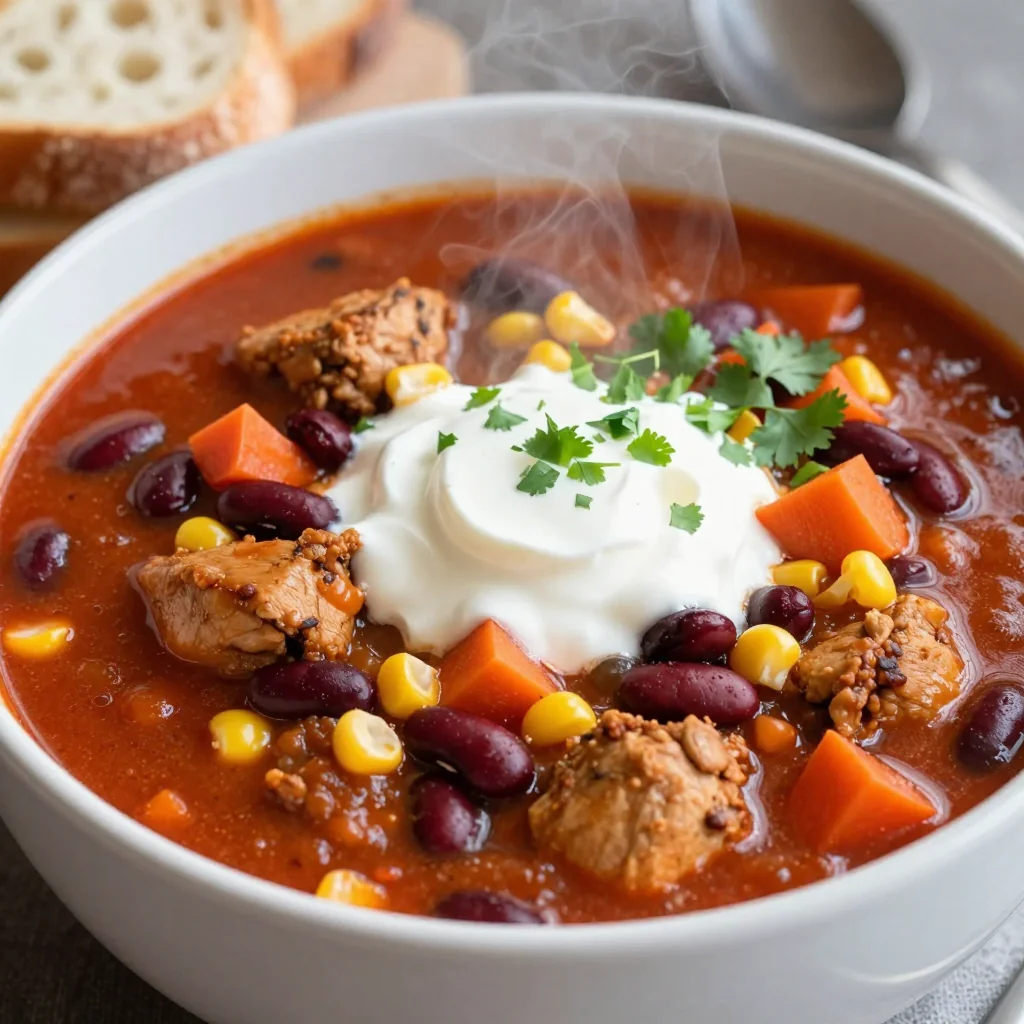
I’ll be honest — the first time I tried to make a pecan pie, I ended up with a sugary brick that could have doubled as a doorstop. It was the kind of kitchen disaster that makes you swear off desserts forever, until a friend dared me to “make the most Southern pecan pie you can imagine.” I accepted, because I love a good challenge, and I promised myself I’d never settle for a soggy, bland filling again. The result? A pie so rich, so buttery, and so nut‑laden that even the most skeptical sweet‑tooth will be begging for a second slice. I dare you to taste this and not go back for seconds.
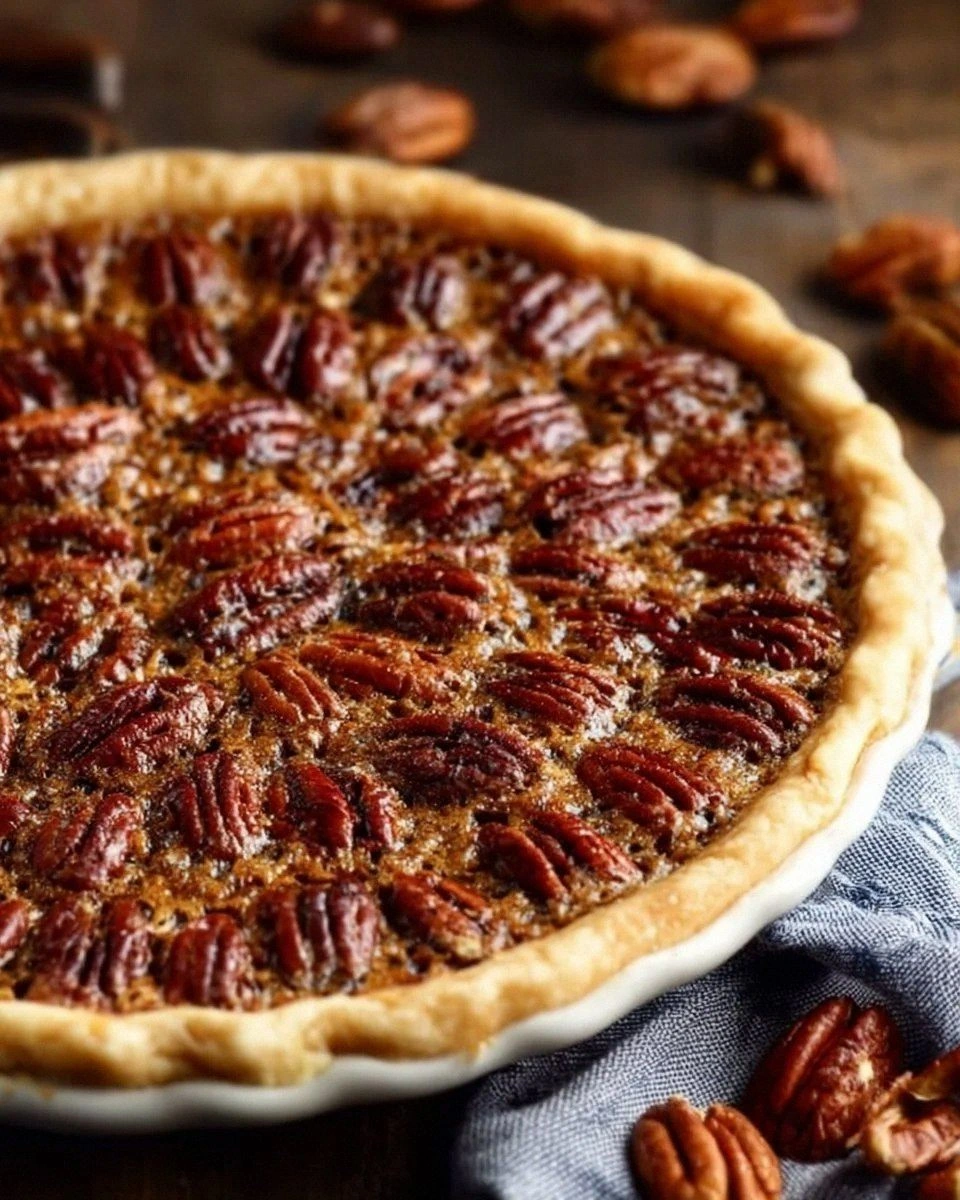
Picture this: the oven door swings open, a golden‑brown crust peeks out from beneath a glossy, caramel‑kissed surface, and a warm, nutty aroma floods the kitchen, making the whole house feel like a Southern porch in late autumn. You can hear the faint crackle of the caramel as it sets, see the glossy sheen catching the light like a polished jewel, and feel the weight of the pie as you lift it onto the counter. The scent of melted butter, toasted pecans, and a whisper of vanilla swirls together, turning the air into a sweet, buttery lullaby. That sizzle when the butter hits the sugar? Absolute perfection.
What sets this version apart is the secret weapon I discovered while rummaging through my grandma’s old recipe box: a splash of corn syrup combined with light brown sugar. Most recipes get this completely wrong, either drowning the pecans in syrup or leaving the filling dry and crumbly. By balancing the two sugars, you get a custard that’s silky, yet sturdy enough to hold the generous mountain of pecans without wobbling. And the best part? You only need a pre‑made crust, which means you can spend more time perfecting the filling and less time wrestling with dough.
There’s also a tiny twist that most bakers overlook: a pinch of salt right at the end of the mixing stage. It’s the culinary equivalent of a high‑note in a choir, cutting through the sweetness and making every bite sing. Okay, ready for the game‑changer? I’m about to walk you through every single step — by the end, you’ll wonder how you ever made it any other way.
What Makes This Version Stand Out
- Deep Caramel Flavor: The blend of light brown sugar and corn syrup creates a deep, buttery caramel that coats each pecan like velvet, delivering a rich sweetness that never feels cloying.
- Nutty Crunch: Chopped pecans are toasted just enough to release their natural oils, giving the pie a satisfying crunch that contrasts beautifully with the silky custard.
- Effortless Crust: Using a pre‑made pie crust saves you from the dreaded dough‑rolling battle while still providing that flaky, buttery base we all love.
- Balanced Sweetness: The pinch of salt and the split between brown sugar and granulated sugar keep the sweetness in check, preventing the pie from becoming a sugar overload.
- Show‑Stopping Appearance: The glossy, caramel‑shiny top is not just beautiful; it signals a perfectly set filling that will hold its shape when sliced.
- Make‑Ahead Friendly: This pie can be baked a day ahead, refrigerated, and still taste as fresh as the moment it left the oven, making it perfect for holidays or potlucks.
Inside the Ingredient List
The Flavor Base
The light brown sugar is the heart of the caramel, bringing a deep molasses note that you just can’t get from white sugar alone. If you substitute dark brown sugar, expect an even richer, almost toffee‑like flavor, but the light version keeps the color from turning too dark. Light brown sugar also dissolves more easily, ensuring a smooth custard without gritty pockets.
Corn syrup is the secret glue that holds the filling together. It prevents crystallization, giving the custard that signature glossy sheen. If you’re allergic to corn or prefer a different sweetener, you can swap it with maple syrup, but be ready for a subtle maple undertone that will change the classic profile.
The Texture Crew
Granulated sugar adds a clean, bright sweetness that balances the deeper flavors from the brown sugar. It also helps the custard set properly, giving it that perfect bite‑through texture. Skipping it will make the filling overly syrupy and possibly too soft once cooled.
Unsalted butter, melted, is the buttery backbone that enriches the custard. Using unsalted butter lets you control the salt level precisely; a pinch of salt at the end amplifies all the flavors. If you’re out of butter, a high‑quality margarine works, but the flavor won’t be as luxurious.
The Unexpected Star
Eggs are the structural heroes of any custard pie. They coagulate as the pie bakes, turning the liquid mixture into a firm yet tender filling. Four large eggs provide enough protein to set the pie without making it rubbery. If you’re worried about cholesterol, you can replace each egg with a quarter cup of silken tofu blended smooth, though the texture will be slightly different.
The Final Flourish
Pecans, of course, are the star of the show. Choose raw, unsalted pecans and toast them lightly in a dry skillet for 5 minutes to bring out their natural oils. The toasting step is crucial; it prevents the nuts from tasting raw and adds a smoky depth that elevates the entire pie. If you can’t find fresh pecans, frozen ones work fine—just let them thaw and pat dry before using.
Everything's prepped? Good. Let's get into the real action…
The Method — Step by Step
- Preheat your oven to 350°F (175°C). While the oven warms, lay the pre‑made pie crust into a 9‑inch pie dish, pressing gently to fit the sides. Trim any excess dough, then use a fork to prick the bottom—this prevents air bubbles. Let the crust sit while you prep the filling; the anticipation builds, and the kitchen already smells like buttery promise.
- Blind‑bake the crust for 8 minutes. This short bake creates a protective shield that stops the filling from soaking into the dough. When you see the edges start to turn a light golden hue, pull the crust out and set it aside to cool slightly. Power transition: this is the moment where the pie earns its crisp foundation.
- In a large saucepan over medium heat, melt the butter until it foams, then add the light brown sugar, granulated sugar, and corn syrup. Stir constantly until the mixture bubbles and the sugars dissolve into a thick, amber‑colored caramel. This should take about 3‑4 minutes; you’ll hear a gentle hiss that signals the sugars are fully integrated.
- Remove the saucepan from heat and let the caramel cool for a minute—this prevents the eggs from scrambling when they’re added. In a separate bowl, whisk together the eggs, vanilla extract, and a pinch of salt until just combined. The mixture should look slightly frothy, not fully whipped.
- Gradually pour the cooled caramel into the egg mixture, whisking continuously. This slow incorporation is crucial; it creates a smooth, glossy custard without curdling. You’ll notice the mixture thickening instantly, turning a deep amber that promises a luscious texture.
- Fold in the toasted pecans, ensuring they’re evenly distributed throughout the custard. The pecans should float in a glossy sea of caramel, each piece glistening like a tiny jewel. This is where the pie gets its signature crunch and nutty aroma.
- Pour the filling into the pre‑baked crust, spreading it gently with a spatula to level the surface. The custard will settle, and the edges will begin to pull away from the crust—this is the visual cue that the pie is baking correctly.
- Place the pie on the middle rack of the oven and bake for 30‑35 minutes. Around the 20‑minute mark, rotate the pan to ensure even browning. The top should turn a deep amber, and the edges of the crust will be golden brown. When you gently jiggle the pan, the center should still have a slight wobble—that’s the perfect set.
That’s it — you did it. But hold on, I’ve got a few more tricks that’ll take this to another level…
Insider Tricks for Flawless Results
The Temperature Rule Nobody Follows
Never bake a pecan pie at a temperature higher than 350°F. Higher heat creates a rapid rise in the custard, causing cracks and a rubbery texture. Keep the oven at a steady 350°F, and you’ll get a smooth, velvety interior that holds its shape when sliced. I once tried 375°F for a “speed bake” and ended up with a pie that looked like a cracked desert floor.
Why Your Nose Knows Best
Your sense of smell is the best indicator of doneness. Around the 25‑minute mark, you’ll start to notice a sweet, buttery aroma that fills the kitchen. If the scent is still faint, give it a few more minutes. Trust your nose more than the timer; ovens can vary by up to 25°F.
The 5‑Minute Rest That Changes Everything
Once the pie comes out of the oven, let it rest on a wire rack for at least 5 minutes before slicing. This short pause lets the custard firm up, preventing a runny slice. If you’re impatient and cut immediately, the filling will ooze out like a melted caramel river.
Toast Those Pecans Like a Pro
A quick toast in a dry skillet over medium heat for 5 minutes releases the oils and intensifies the nutty flavor. Keep the nuts moving to avoid burning. The toasted aroma will mingle with the caramel as the pie bakes, creating a depth you can’t achieve with raw nuts.
The Secret of the Pinch
Don’t underestimate that tiny pinch of salt. It cuts through the sweetness and balances the flavors, making the caramel taste richer. If you accidentally add too much, the pie can become salty, but a pinch is enough to elevate every bite.
Creative Twists and Variations
This recipe is a playground. Here are some of my favorite ways to switch things up:
Maple‑Pecan Fusion
Replace half of the corn syrup with pure maple syrup. The pie gains a subtle, earthy sweetness that pairs beautifully with the toasted pecans. Perfect for a fall‑time twist.
Chocolate‑Covered Delight
Stir in ¼ cup of semi‑sweet chocolate chips into the filling just before adding the pecans. As the pie bakes, the chocolate melts into pockets of gooey richness, turning each bite into a surprise.
Spiced Southern Style
Add a pinch of ground cinnamon, nutmeg, and a dash of cayenne pepper to the caramel. The warm spices bring a comforting depth, while the cayenne adds a gentle heat that surprises the palate.
Brown Butter Bliss
Swap the melted butter for browned butter (cook the butter until it turns nutty and amber). This adds a toasty, almost caramelized flavor that makes the pie taste even richer.
Gluten‑Free Crust
Use a gluten‑free pre‑made crust or make your own with almond flour, butter, and a touch of sugar. The almond flour adds a faint, nutty background that complements the pecans.
Storing and Bringing It Back to Life
Fridge Storage
Cover the pie loosely with foil or a cake dome and store it in the refrigerator for up to 4 days. The custard will firm up further, making slices cleaner. When you’re ready to serve, let it sit at room temperature for 15 minutes to bring back that melt‑in‑your‑mouth softness.
Freezer Friendly
Wrap the entire pie tightly in plastic wrap, then a layer of aluminum foil. Freeze for up to 2 months. To reheat, thaw overnight in the fridge, then warm at 300°F for 10‑12 minutes, uncovered, until the caramel glistens again.
Best Reheating Method
Place a small splash of water (about a tablespoon) on the bottom of the oven‑safe dish before reheating. The steam generated revives the custard’s silkiness without drying it out. Heat for 8‑10 minutes, and you’ll have a pie that tastes as fresh as the day it was baked.