Picture this: I’m standing in a cramped kitchen, the air thick with the scent of onions, garlic, and sizzling beef. The clock reads 2 pm, and my friend has just challenged me to create a comfort‑food masterpiece that will make her taste buds do a happy dance. I’m armed with a bag of ground beef, a handful of breadcrumbs, and a secret weapon: Worcestershire sauce that’s been aging like fine wine in my pantry. The moment the pan heats up, the sizzle is music—an orchestra of savory notes that promises a dish that’s both humble and heroic. This isn’t just another Salisbury steak; it’s a reimagined classic that will have everyone begging for seconds. I dare you to taste this and not go back for a third bite.
I’ll be honest—my first attempt was a disaster. The meatballs fell apart like paper, and the sauce was thinner than a newspaper. I learned that the trick is in the balance: enough binding to hold shape, but not so much that the flavor is muted. The next time I tackled the recipe, I added a pinch of cornstarch to the meat mixture, and the texture transformed into a silky, melt‑in‑your‑mouth sensation. The sauce thickened like a velvet curtain, clinging to each meatball with a rich, savory embrace. That night, the table was full, the plates were empty, and my kitchen smelled like victory. If you’ve ever struggled with this, you’re not alone—and I’ve got the fix.
What sets this version apart is not just the ingredients but the technique. I use a double‑layered sauce—first a savory beef reduction, then a silky gravy that’s thickened with cornstarch. The meatballs themselves are seasoned with fresh thyme, a touch of Worcestershire, and a splash of olive oil for that extra depth. The potatoes are mashed with whole milk and butter, creating a creamy, buttery base that balances the richness of the meat. I finish the dish with a sprinkle of fresh parsley that adds a bright, herbaceous note. Picture yourself pulling this out of the oven, the whole kitchen smelling incredible, and your guests’ eyes lighting up with anticipation. This is hands down the best version you’ll ever make at home.
Okay, ready for the game‑changer? The secret lies in the layering of flavors and textures. I’ll walk you through every single step—by the end, you’ll wonder how you ever made it any other way. From the moment the onions hit the pan to the final drizzle of parsley, every action is designed to maximize flavor, create contrast, and deliver a dish that feels like a hug on a plate. Let’s dive into the details and make magic happen.
What Makes This Version Stand Out
- Flavor Depth: The dual‑layered sauce creates a complex profile—savory, umami, and a hint of sweet from the Worcestershire. The meatballs are seasoned with thyme and fresh herbs that elevate the beef’s natural taste.
- Texture Contrast: Crispy exterior meets a juicy, tender core. The cornstarch binder keeps the meatballs intact while the mashed potatoes provide a silky backdrop.
- Ingredient Quality: Using fresh, high‑quality beef and Yukon Gold potatoes makes the difference between ordinary and unforgettable.
- Simplicity: The recipe uses only a handful of pantry staples, yet delivers a gourmet experience.
- Make‑Ahead Potential: The meatballs can be frozen before cooking, and the sauce can be reheated without losing its richness.
- Crowd‑Pleaser: The familiar comfort‑food vibe combined with a gourmet twist guarantees applause from family and friends alike.
- Visual Appeal: The golden crust on the meatballs and the creamy mashed potatoes create a dish that looks as good as it tastes.
- Balanced Nutrition: With lean beef, wholesome potatoes, and a modest amount of butter, this dish offers a good protein‑carb balance.
Alright, let's break down exactly what goes into this masterpiece...
Inside the Ingredient List
The Flavor Base
Ground beef is the star—choose a lean blend (about 80/20) to keep the meatballs juicy yet not overly greasy. The onions and garlic provide a fragrant foundation; sauté them until translucent, and you’ll unlock a sweet, caramelized undertone that lingers on the palate. Worcestershire sauce, the unsung hero, adds depth, a touch of acidity, and a subtle sweetness that balances the richness of the beef.
The Texture Crew
Breadcrumbs act as the binder, soaking up the juices and giving the meatballs a firm yet tender bite. The egg is the glue that holds everything together—without it, the mixture would crumble like a bad joke. Cornstarch, added later to the sauce, thickens it into a silky gravy that clings to each meatball like a velvet curtain.
The Unexpected Star
Yukon Gold potatoes are chosen for their buttery flavor and smooth texture when mashed. The whole milk and butter elevate the mash into a luxurious, cloud‑like accompaniment that contrasts beautifully with the savory meatballs. Fresh parsley adds a bright, herbal finish that cuts through the richness.
The Final Flourish
Olive oil is the secret to a golden crust on the meatballs; it helps achieve that crispy edge that shatters like thin ice when you bite into it. The fresh thyme and black pepper add aromatic warmth, while the salt pulls out the natural flavors of every component. Together, these ingredients create a dish that feels comforting yet refined.
Everything's prepped? Good. Let's get into the real action...

The Method — Step by Step
- Step 1: Prep the Meatball Mixture. In a large bowl, combine the ground beef, breadcrumbs, egg, finely chopped onion, minced garlic, 2 tbsp Worcestershire sauce, 1 tsp salt, 1/2 tsp black pepper, 1 tsp dried thyme, and 2 tbsp olive oil. Mix gently with your hands until just incorporated; over‑mixing can make the meatballs tough. Let the mixture rest for 10 minutes—this allows the breadcrumbs to absorb moisture, resulting in a firmer texture. While the mixture rests, preheat a large skillet over medium‑high heat and set a few tablespoons of olive oil aside for later use. This resting period is critical; it ensures that the binding agents work effectively and the meatballs hold together during cooking.
- Step 2: Shape the Meatballs. Using a tablespoon or a small ice‑cream scoop, form the mixture into evenly sized balls—about the size of a golf ball. Place them on a parchment‑lined baking sheet to keep them from sticking. If you’re a perfectionist, press them gently to smooth the surface; this helps them brown evenly. The uniform size guarantees that every bite is consistent—no overcooked or raw surprises. Now, set the sheet aside while you prepare the sauce; this step saves time and keeps the process flowing smoothly.
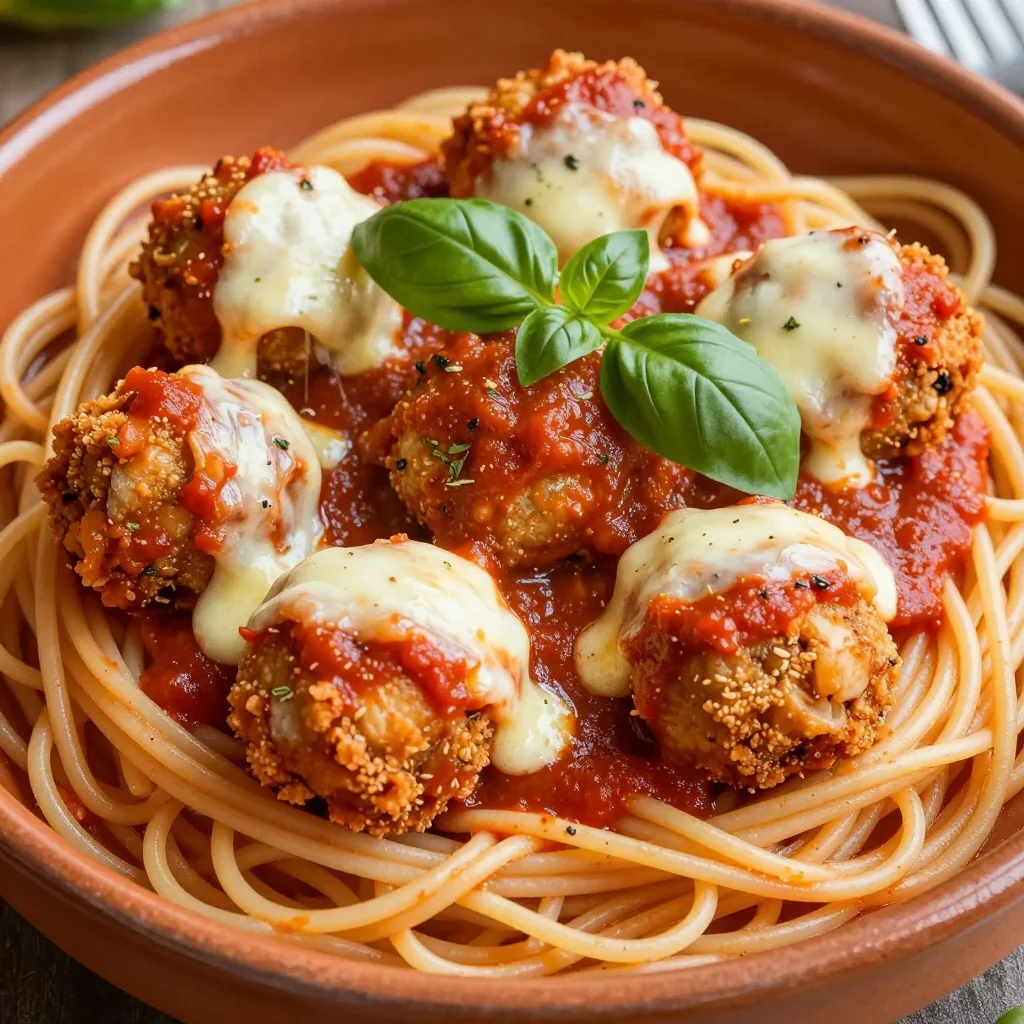
- Step 3: Sear the Meatballs. Heat a tablespoon of olive oil in the skillet over medium heat. Add the meatballs in batches, leaving space between each to avoid overcrowding. Sear them until they develop a golden crust on all sides—about 3–4 minutes per batch. Flip them carefully with tongs to ensure an even sear; the crust should be firm enough to hold the interior juices. Once seared, transfer the meatballs to a plate lined with paper towels to drain excess oil. The searing step locks in flavors and creates a textural contrast that’s simply irresistible.
- Step 4: Build the Sauce. In the same skillet, add 1 cup of beef broth and 1 tbsp Worcestershire sauce, scraping up any browned bits from the bottom—those are flavor gold. Bring the liquid to a simmer; the aroma should be rich and inviting. While the broth simmers, whisk 2 tbsp cornstarch with 2 tbsp cold water to create a slurry. Slowly pour the slurry into the simmering broth, stirring constantly. The sauce will thicken into a glossy gravy that’s thick enough to coat the meatballs without being gloopy. Taste and adjust seasoning—add a pinch more salt or pepper if needed. This step is the heart of the dish, where all flavors unite into a harmonious sauce.
- Step 5: Return Meatballs to the Sauce. Gently place the seared meatballs back into the skillet, nestling them into the simmering gravy. Reduce the heat to low and let them cook for an additional 10–12 minutes, or until the internal temperature reaches 160 °F (71 °C). The slow simmer allows the meatballs to absorb the sauce’s richness while remaining tender. Keep the lid slightly ajar to prevent the sauce from boiling over. This is the moment of truth; the aroma will fill the kitchen like a warm hug.
- Step 6: Prepare the Mashed Potatoes. While the meatballs finish, bring a pot of salted water to a boil and add the diced Yukon Gold potatoes. Cook for 15–18 minutes until tender. Drain well and return the potatoes to the pot. Add 1/2 cup whole milk, 4 tbsp butter, 1 tsp salt, and 1/2 tsp black pepper. Mash until smooth and creamy—add a splash of milk if the mash feels too thick. The butter should melt into a glossy sheen, and the potatoes should feel silky to the touch. This creamy base balances the hearty meatballs and creates a comforting contrast.
- Step 7: Finish and Serve. Sprinkle 2 tbsp fresh parsley over the meatballs and sauce for a burst of color and freshness. Transfer the meatballs and sauce onto a serving platter, and ladle the mashed potatoes beside or underneath them. The final dish should look like a rustic, gourmet comfort plate—golden meatballs, velvety gravy, and buttery mash. Plate each portion with care, ensuring the sauce coats each meatball evenly. Serve immediately, and watch as the steam rises and the aromas mingle in the air.
- Step 8: The Final Touch. If you like a touch of heat, sprinkle a pinch of red pepper flakes over the sauce. Alternatively, a squeeze of fresh lemon juice can brighten the dish and cut through the richness. Let the dish rest for a minute before serving; this allows the flavors to settle. Present the plate with a side of crusty bread to soak up the sauce. The final plate is a masterpiece of texture and flavor—ready to impress any guest.
That's it—you did it. But hold on, I've got a few more tricks that'll take this to another level...
Insider Tricks for Flawless Results
The Temperature Rule Nobody Follows
Many cooks overheat the skillet, which causes the meatballs to lose moisture. Keep the heat medium to medium‑low throughout the searing and simmering stages. A lower temperature ensures even cooking and a tender interior. I once made a batch that was dry and crumbly because the skillet was too hot—lesson learned. This rule keeps your meatballs juicy and succulent.
Why Your Nose Knows Best
Smell the sauce as it thickens; a slightly nutty aroma indicates the right caramelization of the onions and garlic. If the scent feels flat, give it another minute of simmering. Your nose can detect subtle flavor changes before your eyes notice. This sensory checkpoint guarantees a richer, more complex sauce.
The 5‑Minute Rest That Changes Everything
After searing, let the meatballs rest on a wire rack for 5 minutes before adding them to the sauce. This step prevents the meatballs from steaming in their own juices, preserving that coveted crust. I’ve seen the difference—a crisp exterior versus a soggy one. It’s a small time investment that pays off big in texture.
The Parboil Trick for Perfect Mash
Parboil the potatoes for 2 minutes before the full boil; this helps them cook evenly and reduces the overall cooking time. Parboiling also ensures that the potatoes break down smoothly when mashed, preventing lumps. The result is a cloud‑like mash that pairs beautifully with the savory meatballs.
The Secret to a Velvety Gravy
Whisk the cornstarch slurry slowly into the sauce while it simmers—this prevents lumps. Stir constantly and let the sauce reduce for a few minutes after adding the slurry. The thickened gravy should coat the meatballs like a silk scarf. A smooth gravy elevates the dish from good to unforgettable.
Creative Twists and Variations
This recipe is a playground. Here are some of my favorite ways to switch things up:
Spicy Cajun Salisbury
Add 1 tsp Cajun seasoning to the meat mixture and a dash of hot sauce to the gravy. The smoky heat pairs wonderfully with the beef. This version is a hit at summer cookouts and adds a bold kick.
Herb‑Infused Mushroom Sauce
Sauté sliced mushrooms with the onions and garlic before adding the broth. The earthy flavor deepens the sauce’s complexity. Serve over the meatballs for a rustic, woodland vibe.
Cheesy Potato Casserole
Swap the mashed potatoes for a creamy cheese casserole topped with breadcrumbs. The crunchy topping contrasts the tender meatballs. This variation is perfect for holiday gatherings.
Gluten‑Free Breadcrumbs
Use almond or coconut flour breadcrumbs to keep the dish gluten‑free. The texture remains light, and the flavor stays intact. Great for guests with dietary restrictions.
Sweet & Savory Apple Twist
Add finely diced apples to the meat mixture and a splash of apple cider to the sauce. The subtle sweetness balances the savory notes. This version works well in the fall when apple season is in full swing.
Breakfast‑Style Salisbury
Serve the meatballs and sauce over a bed of scrambled eggs and toast. The dish transforms into a hearty breakfast that satisfies any appetite. A breakfast twist for lazy Sunday mornings.
Storing and Bringing It Back to Life
Fridge Storage
Store cooked meatballs and sauce separately in airtight containers for up to 4 days. Keep the mashed potatoes in a separate container with a splash of milk to maintain moisture. Reheat on the stove, stirring occasionally, until hot.
Freezer Friendly
Freeze the meatballs in a single layer on a parchment sheet, then transfer to freezer bags. The sauce freezes well in portioned containers. Reheat in the oven at 350 °F for 20 minutes, then stir in a splash of broth if needed.
Best Reheating Method
Add a tiny splash of water or broth to the sauce before reheating; this steams the gravy back to perfection and prevents it from drying out. Reheat gently over low heat, stirring until warmed through. The dish will taste as fresh as when you first cooked it.